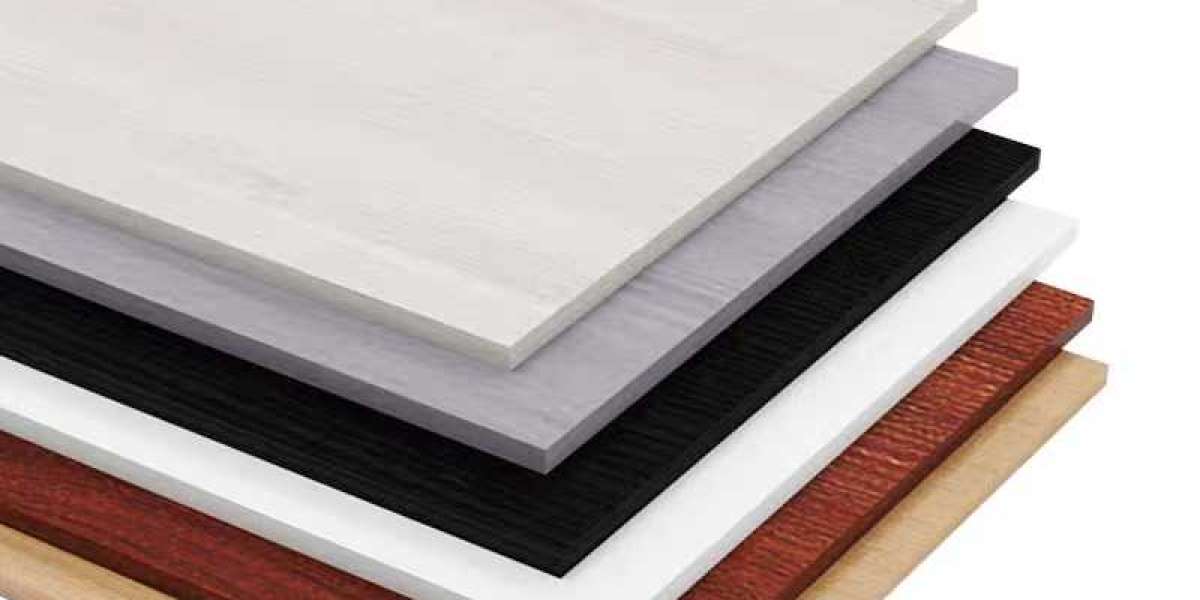

In the realm of modern construction, few materials are as indispensable as film-faced plywood. Often referred to as "shuttering plywood," this engineered panel has become the backbone of the construction industry, providing the necessary strength, durability, and versatility for concrete formwork. As architects and contractors push the boundaries of design, the materials they choose must be able to withstand extreme pressures and environmental challenges.
The core advantage of film-faced plywood lies in its manufacturing process. It is crafted from high-quality veneer layers bonded together with strong adhesives, typically Phenolic or Melamine, which provide excellent structural integrity. What truly sets it apart, however, is the external coating—a protective resin-impregnated film. This film acts as a shield against moisture, chemicals, and abrasion. When concrete is poured into these molds, the smooth surface ensures a flawless finish that requires minimal secondary processing or plastering.
Durability is another hallmark of this material. In large-scale infrastructure projects, such as bridges, skyscrapers, and tunnels, formwork is reused multiple times. Film-faced plywood is designed specifically for this high-frequency usage. Its water-repellent surface prevents the concrete from bonding with the wood, making stripping much easier and prolonging the life of the panel. By investing in premium film-faced plywood, contractors can significantly reduce their long-term expenses, as fewer replacements are needed throughout the construction cycle.
Furthermore, environmental considerations are becoming increasingly important in construction. High-quality film-faced plywood is often sourced from sustainable timber and manufactured to meet international standards for formaldehyde emissions. This ensures that while the material provides high-performance utility, it also aligns with the growing demand for green building practices.
Ultimately, the choice of formwork significantly impacts the quality of the finished structure. Rough surfaces or weak panels can lead to defects in the concrete, which are not only aesthetic issues but potential structural risks. Film-faced plywood offers the reliability that engineers need. It provides a level of dimensional stability that natural timber cannot guarantee. Whether it is for a high-rise residential project or a complex industrial facility, utilizing this material ensures efficiency on the job site. As technology advances, the quality of these panels continues to improve, offering even better resistance to heat and pressure. For any construction professional, understanding the benefits of film-faced plywood is the first step toward achieving a superior build. It is not merely a tool for holding wet concrete; it is a critical investment in the precision and durability of the entire structural framework.