
Introduction
Running is an excellent way to improve fitness, strengthen the heart, and support overall well-being. However, repetitive impact can place significant stress on the lower legs, making runners vulnerable to overuse injuries. Two of the most common conditions affecting runners are shin splints and stress fractures. Although these injuries may initially feel similar, they require different treatment approaches and recovery times.
Ignoring early warning signs can turn a minor injury into a more serious problem, potentially keeping you away from running for weeks or even months. Knowing the difference between shin splints and a stress fracture is essential for protecting your health and preventing long-term damage. If you experience persistent lower leg pain, seeking professional Physiotherapy Treatment in Edinburgh can provide an accurate assessment, effective rehabilitation, and guidance on returning to running safely. Early diagnosis and proper treatment are key to maintaining both your performance and long-term mobility.
What Are Shin Splints?
Shin splints, medically known as medial tibial stress syndrome, occur when the muscles, tendons, and connective tissues surrounding the shinbone become irritated due to repetitive stress. They commonly affect runners, athletes, and individuals who suddenly increase their physical activity.
Pain from shin splints usually develops gradually and is often felt along the inside edge of the shinbone. The discomfort may begin during exercise and improve with rest, particularly in the early stages.
Common causes include increasing running distance too quickly, wearing unsuitable footwear, poor running mechanics, and training on hard surfaces.
Receiving Physiotherapy Treatment in Edinburgh can help identify the underlying causes of shin splints while providing targeted exercises and movement correction to support recovery.
Understanding Stress Fractures
A stress fracture is a small crack in the bone caused by repetitive impact rather than a single traumatic injury. In runners, stress fractures frequently develop in the tibia due to repeated loading over time.
Unlike shin splints, stress fractures involve actual damage to the bone itself. Pain tends to become more severe as the injury progresses and often continues even after activity has stopped.
Without proper treatment, a stress fracture can worsen, leading to a complete fracture that requires a much longer recovery period.
Professional Physiotherapy Treatment in Edinburgh works alongside appropriate medical assessment to support rehabilitation and help runners safely return to activity after bone healing.
Key Differences Between Shin Splints and Stress Fractures
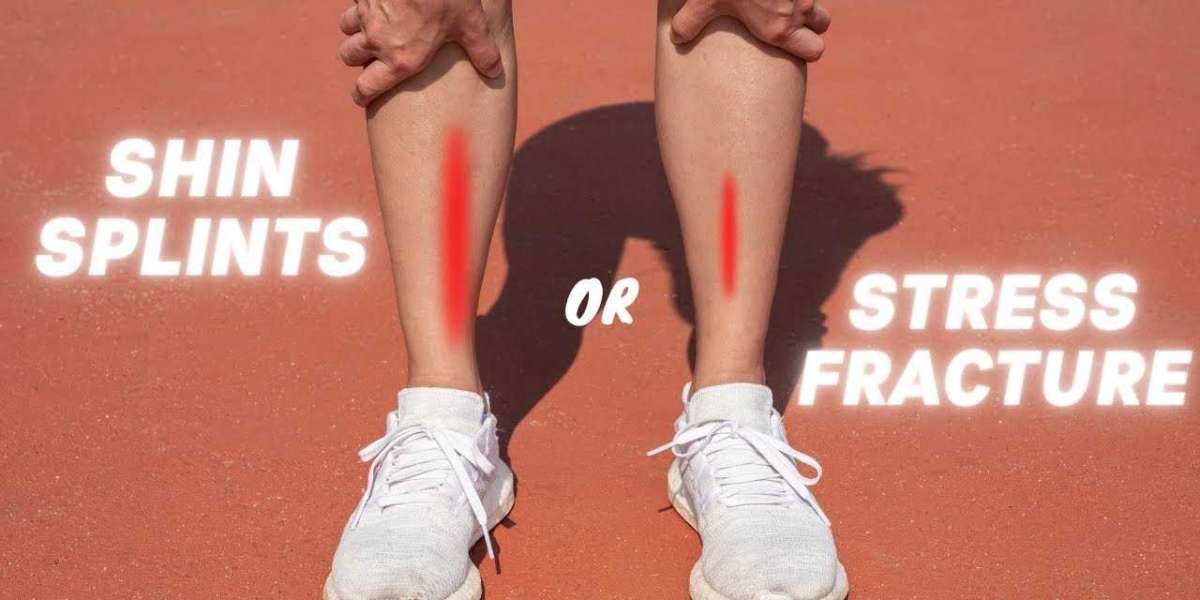
Although both conditions cause pain in the lower leg, there are several important differences. Shin splint pain is usually spread over a larger area along the inner shin, whereas stress fracture pain is typically concentrated in one small, specific location.
Pain from shin splints often eases once exercise stops and may improve with rest. A stress fracture usually causes persistent pain that worsens during weight-bearing activities and may even be painful while walking or standing.
Swelling is generally mild with shin splints but may become more noticeable around the site of a stress fracture.
Seeking Physiotherapy Treatment in Edinburgh allows clinicians to assess symptoms thoroughly and determine whether further medical investigations are required.
Warning Signs That You Should Stop Running
Continuing to run despite increasing pain can significantly worsen both shin splints and stress fractures. Certain warning signs indicate that running should be stopped immediately.
Pain that becomes sharp, localised, or progressively worse during activity should never be ignored. Difficulty bearing weight, noticeable swelling, or pain that continues at rest may suggest a stress fracture rather than simple muscle irritation.
Night pain or tenderness over one specific point on the shin also requires prompt medical assessment. Attempting to "run through" these symptoms increases the risk of more serious injury.
Early Physiotherapy Treatment in Edinburgh helps identify the cause of pain and prevents unnecessary delays in recovery.
Risk Factors for Lower Leg Injuries
Several factors increase the likelihood of developing shin splints or stress fractures. Sudden increases in running distance, speed, or training frequency place excessive stress on the bones and surrounding tissues.
Running on hard surfaces without adequate recovery time also increases injury risk. Poor footwear, flat feet, high arches, weak hip muscles, and poor running mechanics may contribute to abnormal loading of the lower legs.
Inadequate nutrition, particularly low calcium and vitamin D intake, can weaken bone health and increase susceptibility to stress fractures.
Professionals providing Physiotherapy Treatment in Edinburgh assess these contributing factors and develop personalised strategies to reduce future injury risk.
Treatment and Recovery Strategies
Treatment depends on the specific diagnosis. Shin splints generally respond well to temporary activity modification, ice therapy, stretching, strengthening exercises, and gradual return to running.
Stress fractures require a more cautious approach. Rest from impact activities is essential to allow the bone to heal properly. Depending on the severity, temporary use of protective footwear or crutches may be recommended.
Physiotherapy plays an important role in both conditions by improving strength, flexibility, balance, and running mechanics. Rehabilitation also focuses on addressing the underlying causes to prevent recurrence.
Receiving Physiotherapy Treatment in Edinburgh provides runners with structured rehabilitation plans that support safe and effective recovery.
Preventing Future Running Injuries
Preventing shin splints and stress fractures begins with sensible training habits. Increase running distance gradually and avoid sudden changes in intensity or terrain.
Wear supportive running shoes that match your foot type and replace them regularly as cushioning wears out. Include strength training for the hips, core, calves, and lower legs to improve stability and reduce excessive stress on the tibia.
Dynamic warm-ups before running and proper recovery after exercise also contribute to injury prevention. Listening to your body and addressing minor discomfort early can prevent more serious problems from developing.
Regular assessments through Physiotherapy Treatment in Edinburgh help runners optimise their training while reducing the likelihood of recurring injuries.
Conclusion
Although shin splints and stress fractures may initially seem similar, recognising the differences is essential for protecting your health and maintaining long-term running performance. Shin splints usually involve muscle and tendon irritation, while stress fractures affect the bone itself and require more careful management.
If lower leg pain becomes persistent, localised, or worsens during activity, it is important to stop running and seek professional advice. Physiotherapy Treatment in Edinburgh provides expert assessment, personalised rehabilitation, and injury prevention strategies that help runners recover safely and return to training with confidence.