
Keeping solar panels clean is essential for maintaining peak energy output. However, one of the most common questions EPC contractors, OM companies, and solar farm operators ask is:
"How long does a cleaning drone battery last?"
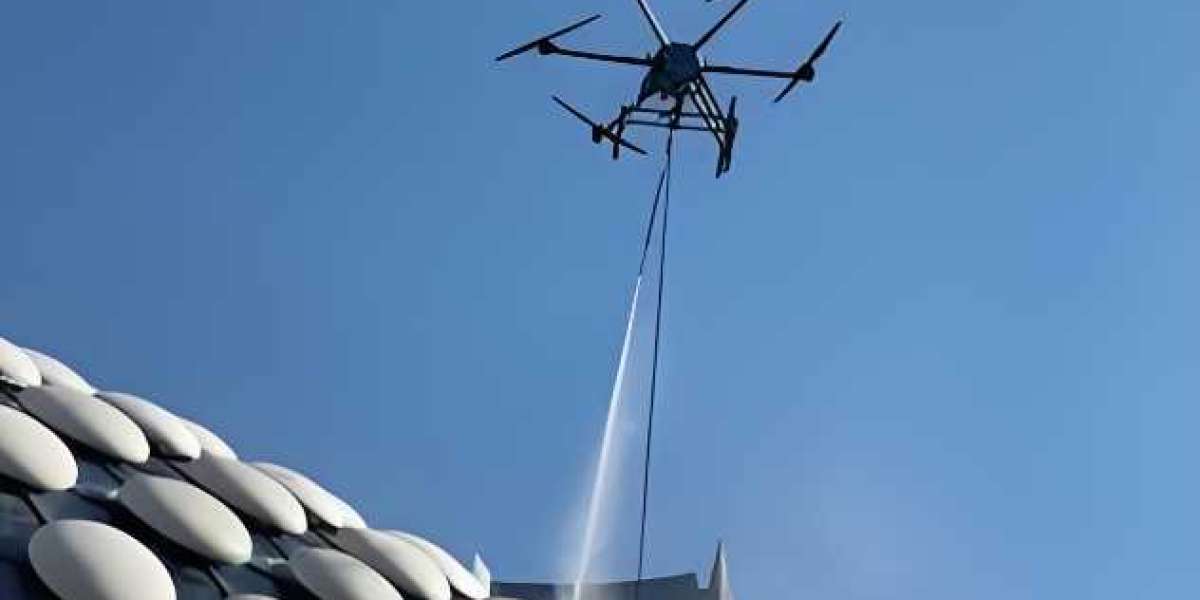
The answer depends on the drone's payload, cleaning mode, environmental conditions, and battery management. Using the VA-D50R Photovoltaic Cleaning Drone as an example, let's examine what battery life really means in real-world solar panel cleaning operations.
Battery Life vs. Working Time: What's the Difference?
Many people assume a drone's battery life is simply its flight time. In reality, a cleaning drone's productivity depends on several factors:
- Flight endurance
- Cleaning speed
- Water load
- Terrain
- Number of battery swaps
- Charging efficiency
For commercial photovoltaic cleaning, overall cleaning capacity per day is far more important than a single battery cycle.
VA-D50R Battery Performance
According to the VA-D50R specifications, the drone is designed for continuous commercial operations rather than short inspection flights. Key specifications include:
SpecificationVA-D50R
Charging Time30 minutes
Water Capacity50 L
Cleaning Efficiency690㎡/h
Flight Speed15 m/s
Cleaning ModesMulti-nozzle, Oscillating Spray, Direct Spray
The 30-minute fast charging system allows operators to minimize downtime by rotating battery packs during large-scale cleaning projects.
How Much Can One Battery Clean?
Instead of asking:
"How many minutes can it fly?"
Professional operators usually ask:
"How many square meters can one battery clean?"
The VA-D50R cleans approximately 690 square meters per hour under standard operating conditions. Actual cleaning area per battery depends on:
- Panel contamination level
- Water usage
- Cleaning pressure
- Flight path efficiency
- Wind conditions
- Ambient temperature
Light dust allows the drone to clean more area, while heavy mud, bird droppings, or industrial pollution require slower movement and increased water consumption.
Factors That Affect Battery Runtime
1. Water Payload
The VA-D50R carries up to 50 liters of water.
A heavier payload requires more thrust, increasing battery consumption during takeoff and climbing. As water is consumed, the aircraft becomes lighter and energy efficiency improves.
2. Cleaning Method
The VA-D50R supports three cleaning modes:
- Multi-nozzle spraying
- Oscillating cleaning
- Direct spray cleaning
Each method places different loads on the pumping system.
Higher water pressure generally consumes more electrical power.
3. Weather Conditions
Battery efficiency decreases when operating under challenging environmental conditions.
Examples include:
- Strong winds
- High temperatures
- Cold mornings
- High humidity
Wind is particularly important because the flight controller must constantly compensate to maintain a stable cleaning path.
4. Terrain
Large ground-mounted photovoltaic plants often include:
- Hills
- Uneven terrain
- Desert installations
- Fishery-solar projects
- Mountain solar farms
The VA-D50R uses dual RTK positioning and terrain-following radar to maintain stable flight over uneven surfaces, but frequent altitude adjustments naturally require additional energy.
Fast Charging Improves Daily Productivity
For commercial cleaning contractors, charging speed is just as important as battery capacity.
The VA-D50R supports approximately 30-minute charging, allowing operators to rotate multiple batteries throughout the workday.
A typical workflow looks like this:
- Drone operates with Battery A.
- Battery B charges simultaneously.
- Battery A is swapped when depleted.
- Battery C is ready if needed.
This rotation significantly reduces idle time and helps maximize daily cleaning output.
Tips to Extend Cleaning Drone Battery Life
Proper battery management can noticeably increase battery lifespan and operational efficiency.
Recommended practices include:
- Charge batteries immediately after use.
- Avoid complete battery discharge.
- Store batteries in a cool, dry environment.
- Allow batteries to cool before recharging.
- Inspect battery connectors regularly.
- Keep firmware updated for optimal power management.
- Use genuine batteries recommended by the manufacturer.
Routine maintenance helps preserve battery health over hundreds of charging cycles.
Why Battery Efficiency Matters More Than Flight Time
Many buyers compare drones based only on advertised flight minutes.
For photovoltaic cleaning, the more meaningful performance indicators are:
- Cleaning efficiency (㎡/hour)
- Charging speed
- Water capacity
- Battery replacement time
- Daily operating hours
- Reliability during continuous commercial use
A drone with shorter recharge time and higher cleaning efficiency can often outperform a drone with longer single-flight endurance.
Is the VA-D50R Suitable for Large Solar Farms?
Yes.
The VA-D50R is specifically designed for large-scale photovoltaic cleaning applications, including:
- Utility-scale solar farms
- Industrial rooftop PV systems
- Mountain photovoltaic stations
- Fishery-solar hybrid projects
- Ground-mounted solar installations
Its combination of:
- 690㎡/h cleaning efficiency
- 50L water capacity
- 30-minute charging
- Dual RTK navigation
- Terrain-following radar
makes it well suited for professional OM teams seeking to reduce labor costs while maintaining consistent cleaning performance.