

When the tower rush genre first exploded onto mobile devices, few traditional gamers viewed it as a legitimate competitive platform.
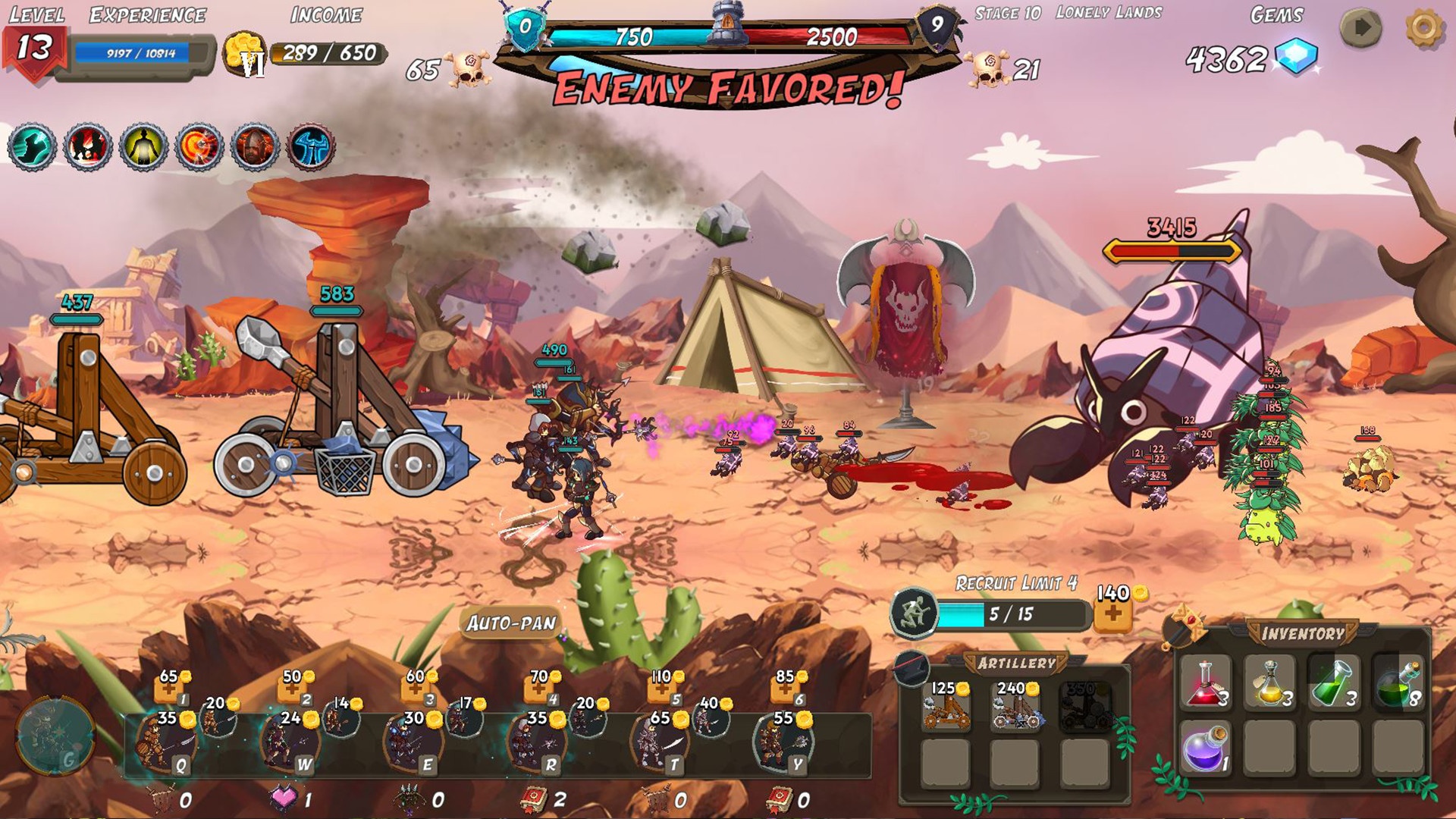
This article chronicles the rise of the mobile competitive scene and how it legitimized the platform.
The Grassroots Beginnings
Before the developers themselves organized massive official leagues, the competitive scene was entirely grassroots, driven by passionate community members.
The meta in these early days was incredibly volatile, as there were no established guides or YouTube tutorials to follow.
- The first official global tournaments offered massive in-game rewards just for participating.
- They began signing mobile players to professional contracts.
- This added layers of strategy, requiring teams to draft decks and ban specific cards against opponents.
The Global Stage and the League Format
Teams from distinct regions (North America, Europe, Asia) competed weekly in massive broadcast studios with professional commentators and analysts.
The strategies executed on this global stage trickled down instantly to the casual ladder, dictating the meta for millions of players.
| Timeline | Format and Structure | Why it Mattered |
|---|---|---|
| The Grassroots Era (Years 1-2) | Massive, password-protected custom lobbies hosted by streamers | Proved the community demand for a competitive scene and established the first star players |
| The Crown Championship Era (Year 3) | A massive, open global bracket where any player could qualify for the live finals | The first true million-dollar mobile event, legitimizing the game as a tier-one esport |
Paving the Way
The success of the tower rush esports scene permanently altered the perception of mobile gaming.
The path to glory is in your pocket.