
Buying a used car can save you a significant amount of money, but it can also become an expensive mistake if you don't know the vehicle's real condition. A car may look clean, have shiny paint, and even drive smoothly during a short test drive, yet it could still have hidden mechanical issues, accidental damage, or a tampered mileage reading.
Many buyers rely only on the seller's words and end up paying for repairs they never expected. This is one of the biggest reasons why used car purchases become stressful instead of rewarding. A professional inspection helps you understand exactly what you are paying for before making the final decision.
Imagine finding a car that looks perfect online. The pictures are attractive, the price is reasonable, and the owner claims it has never been in an accident. However, after an inspection, you discover the chassis has been repaired after a major collision. Without that inspection, you might have spent thousands on a vehicle that could become a safety risk later.
The same situation happens every day across Pakistan, especially in major cities like Lahore, Karachi, Islamabad, Faisalabad, and Rawalpindi. That is why experienced buyers rarely purchase a used vehicle without a complete inspection report.
Whether you are buying your first car or upgrading to a newer model, Car Inspection Services help you make a confident decision by providing a detailed picture of the vehicle's condition before you hand over your money.
Quick Inspection Checklist
Inspection Area | What is Checked | Why It Matters | |
Engine | Oil leaks, smoke, engine noise | Detects expensive engine problems | |
Transmission | Gear shifting performance | Prevents future repair costs | |
Suspension | Shock absorbers and steering | Improves comfort and safety | |
Brakes | Brake pads, discs and braking response | Essential for safe driving | |
Tires | Wear pattern and condition | Reveals alignment or suspension issues | |
Body | Paint, dents, accident repairs | Confirms accident history | |
Chassis | Structural damage | Ensures vehicle safety | |
Electrical System | Lights, battery, wiring | Prevents electrical faults | |
Air Conditioning | Cooling performance | Avoids costly AC repairs | |
Interior | Dashboard, seats, electronics | Confirms overall vehicle condition | |
Odometer | Mileage verification | Detects meter tampering | |
Road Test | Overall driving performance | Identifies hidden mechanical issues |
Why Car Inspection Matters Before Buying
A used vehicle tells a story through its condition. While sellers often mention regular maintenance, the actual condition may be different. Professional inspectors know exactly where hidden problems usually appear.
For example, a freshly painted bumper may look attractive, but it could indicate accident repairs. Uneven tire wear often points toward suspension problems. Oil leakage beneath the engine could mean future repair expenses.
A proper inspection removes guesswork from the buying process. Instead of trusting appearances, you receive facts based on a thorough examination.
What Does a Professional Car Inspection Include?
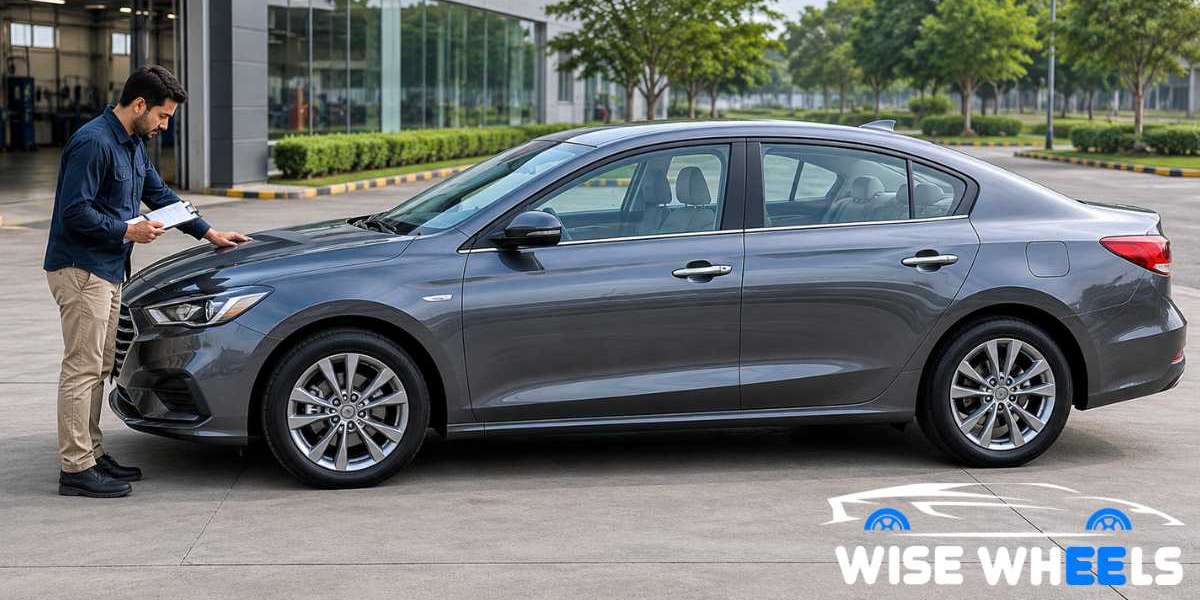
A complete vehicle inspection goes far beyond checking the engine. Professionals carefully inspect nearly every important component of the vehicle.
Engine Inspection
The engine is the heart of every vehicle. Inspectors check for oil leakage, coolant leaks, unusual noises, smoke from the exhaust, overheating signs, damaged belts, and fluid quality.
Even if the engine sounds normal during a short drive, experienced inspectors can identify early warning signs before they become major repairs.
Transmission Check
Manual and automatic transmissions require different inspection methods.
Inspectors verify smooth gear shifting, clutch performance, transmission oil condition, vibrations, slipping gears, and abnormal sounds.
Transmission repairs are among the most expensive vehicle repairs, making this inspection extremely valuable.
Suspension and Steering
Road conditions across Pakistan can affect suspension components.
Inspectors examine shock absorbers, steering rack, control arms, bushes, wheel alignment, and suspension joints.
If these parts are worn out, the vehicle may feel unstable, especially on highways.
Brake System
Your safety depends heavily on reliable brakes.
A complete inspection includes brake discs, brake pads, brake fluid, ABS functionality, brake lines, and overall stopping performance.
Body Inspection
Many buyers focus only on appearance.
Professional inspectors examine paint thickness, welding marks, repaired panels, rust, dents, scratches, and signs of previous accidents.
Sometimes a perfectly polished vehicle hides significant structural repairs underneath.
Interior Inspection
The inside of a car reveals how carefully it has been maintained.
Seats, dashboard, infotainment system, steering controls, air conditioning, power windows, central locking, airbags, and instrument cluster are all tested.
A damaged interior may also indicate rough usage.
Electrical System Inspection
Modern vehicles depend heavily on electronics.
Inspectors test headlights, indicators, reverse lights, battery health, alternator charging, horn, sensors, wiring, infotainment functions, and electronic safety features.
Electrical faults often remain unnoticed until after purchase.
Tire Inspection
Tires reveal much about a vehicle.
Uneven wear usually indicates alignment problems or worn suspension components.
Inspectors also check manufacturing dates because old tires become unsafe even if the tread appears acceptable.
Chassis Inspection
One of the most important steps is checking the chassis.
If the chassis has suffered serious accident damage, the structural integrity of the vehicle may be compromised.
Professional equipment helps identify repairs that ordinary buyers usually miss.
Road Test
No inspection is complete without driving the vehicle.
During the road test, inspectors evaluate acceleration, braking, suspension performance, steering response, engine power, transmission behavior, vibrations, and unusual noises.
Many hidden issues become obvious only while driving.
Common Problems Found During Used Car Inspections
Every inspection tells a different story.
Sometimes inspectors discover engine oil leaks hidden beneath freshly cleaned engine bays.
In other cases, odometer readings do not match the actual condition of the vehicle.
Vehicles may also have flood damage, suspension wear, transmission issues, accident repairs, rust underneath the body, or faulty airbags.
Finding these problems before purchase can save buyers thousands of rupees.
Practical Example
Suppose two Honda City models are available for sale.
Both have similar mileage, similar prices, and both appear clean.
After inspection, one vehicle receives a clean report with genuine paint and healthy engine performance.
The second vehicle shows repaired chassis damage, leaking suspension, and replaced airbags after an accident.
Without inspection, both cars would seem equally attractive.
With inspection, the safer choice becomes obvious.
Benefits of Getting Your Car Inspected
A professional inspection gives buyers confidence instead of uncertainty.
You understand the vehicle's actual condition, negotiate a fair price, avoid unexpected repair bills, and reduce the risk of purchasing an unsafe vehicle.
It also helps identify future maintenance requirements, allowing you to budget accordingly.
Instead of making an emotional decision, you make an informed one.
Tips Before Choosing an Inspection Service
Not every inspection company follows the same standards.
Choose an inspection provider that offers experienced inspectors, detailed reports, road testing, engine diagnostics, body inspection, chassis verification, and transparent findings.
A detailed inspection report with photographs is always more valuable than a simple verbal opinion.
If possible, attend the inspection yourself so you can ask questions while the vehicle is being examined.
Why Verified Cars Give Buyers More Confidence
Buying a verified used vehicle offers peace of mind because it has already undergone detailed inspections before being listed.
Instead of worrying about hidden problems, buyers receive greater transparency regarding the vehicle's condition, helping them make informed decisions with confidence. Verified vehicles also reduce the chances of unexpected repair costs after purchase, making the buying experience smoother and more reliable.
Car Inspection Services in Pakistan
The demand for vehicle inspections continues to grow across Pakistan as buyers become more aware of hidden mechanical problems.
Whether you are purchasing a hatchback, sedan, SUV, or luxury vehicle, professional inspections help verify the condition before finalizing the deal.
Cities like Lahore, Karachi, Islamabad, Rawalpindi, Faisalabad, and Multan have seen increasing demand for inspection reports because buyers now prefer making informed decisions instead of relying solely on seller claims.
Conclusion
Buying a used car should never depend only on appearance or the seller's promises. A detailed inspection helps you understand the true condition of the vehicle, avoid expensive surprises, and invest your money wisely.
If you're looking for verified used cars with greater transparency and confidence, Wise Wheels PK is a reliable platform where you can explore quality inspected vehicles and make your next purchase with peace of mind.
Frequently Asked Questions
Q: Is a car inspection necessary before buying a used car?
A: Yes. A professional inspection helps identify hidden mechanical issues, accident history, structural damage, and costly repairs before you purchase the vehicle.
Q: How long does a complete car inspection take?
A: A detailed inspection usually takes between one and three hours, depending on the vehicle's condition and the inspection process.
Q: Can an inspection detect accidental repairs?
A: Yes. Professional inspectors use specialized techniques to identify repaired panels, paintwork, chassis damage, and structural repairs that are difficult for buyers to notice.
Q: Is a road test included in professional inspections?
A: Most comprehensive inspection services include a road test to evaluate engine performance, braking, steering, suspension, transmission, and overall driving experience.
Q: Can a car pass inspection even if it has minor issues?
A: Yes. Minor cosmetic scratches or small maintenance items may not affect the overall inspection result. However, the report will clearly mention them so buyers know exactly what requires attention before or after purchase.