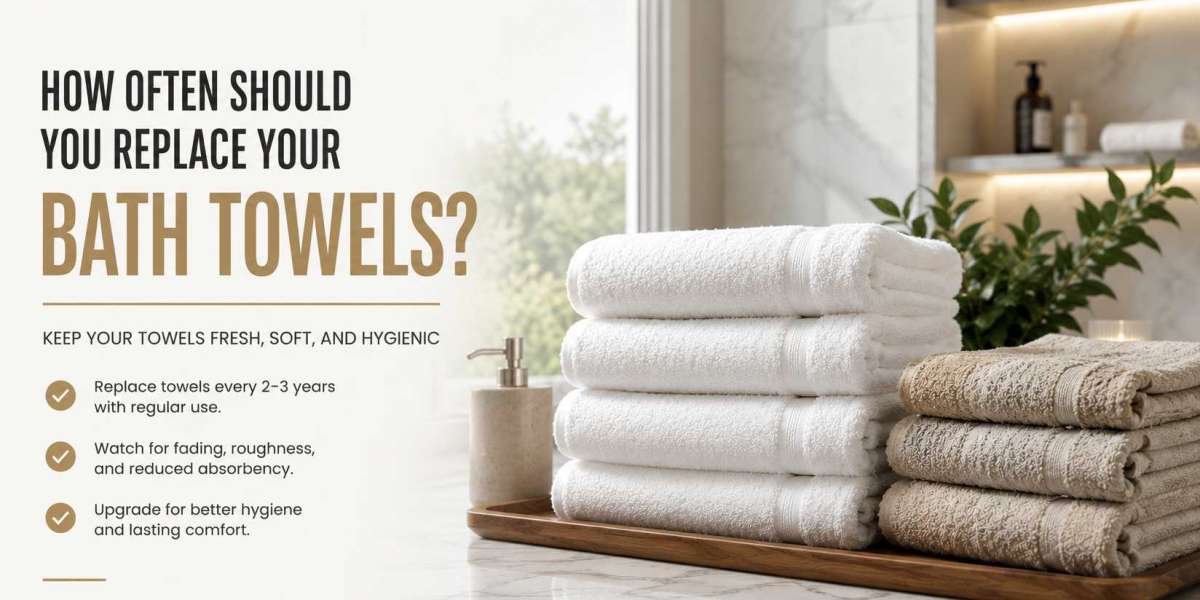

We know how much business owners sweat the small details to keep their brand reputation intact. Nothing ruins a customer’s experience quite like a thin, scratchy, or off-color towel after a shower or workout. When you purchase Wholesale bath towels, you expect them to last, but even the highest quality linens eventually lose their luster. We often see managers wait too long to swap out their stock, which inadvertently sends the wrong message about their cleanliness standards.
Determining the exact moment to retire your inventory requires a balance between fiscal responsibility and guest satisfaction. We have worked with numerous gyms, spas, and hotels to help them establish a rotation schedule that makes sense for their specific usage rates. In our experience, the visual and tactile quality of your linens acts as a silent ambassador for your business. If your towels no longer reflect your brand's quality, you likely need to move them to the "retired" bin.
Why Your Business Cannot Afford to Keep Old Towels
We frequently observe that business owners focus heavily on the initial cost of linens rather than the long-term impact of wear and tear. Old towels don't just look bad; they lose the functional ability to absorb water efficiently. When fibers break down, the towel becomes a flat piece of fabric that simply moves water around the skin. We believe that maintaining a fresh inventory ensures your clients feel valued and cared for during every visit.
Furthermore, keeping towels past their prime creates a hygiene risk that many businesses overlook. Even with rigorous commercial laundering, years of heavy use can lead to deep-seated buildup within the cotton foundation. You can read more about managing towel hygiene effectively to understand why age impacts more than just the softness of the fabric. Fresh towels ensure your facility meets the high sanitary expectations of today’s modern consumers.
Recognizing the Physical Signs of Towel Decay
We recommend that your staff performs a quick quality check during every folding cycle to catch aging linens before they reach a guest. The most obvious sign of trouble involves fraying edges or "balding" patches where the loops have completely worn away. We find that once the structural integrity of the hem fails, the rest of the towel disintegrates rapidly in industrial washing machines. Removing these items early prevents them from shedding lint onto the rest of your clean laundry.
The Loss of Absorbency and Softness
In our time helping businesses manage their supplies, we have noticed that "crunchiness" is a major red flag. When cotton fibers reach the end of their lifespan, they lose the ability to stand upright and hold moisture. If your towels feel stiff even after you use high-quality softeners, the material has likely reached its physical limit. We suggest testing a few towels from each batch to see if they still soak up water instantly or if the liquid beads on the surface.
Stubborn Odors and Persistent Stains
Sometimes a towel looks fine but carries a persistent, musty scent that just won't go away. This usually indicates that the core fibers have become so compacted that they trap moisture and bacteria deep inside. We also advise against keeping towels with visible, permanent stains from hair dyes, oils, or chemicals. Even if the towel is technically clean, a guest will always perceive a stained towel as dirty, which damages your professional image.
Establishing a Realistic Replacement Timeline
We generally suggest that high-traffic businesses like gyms and public pools replace their stock every six to twelve months. Hotels and luxury spas can often stretch this to eighteen months if they follow strict laundering protocols and rotate their stock frequently. We recommend a "first-in, first-out" system where you bring new bulk bath towels into the rotation while phasing out the oldest ones. This strategy ensures that your entire inventory maintains a consistent level of quality rather than having a mix of brand-new and ancient linens.
The Impact of Wash Frequency on Longevity
The more often you wash a towel, the faster it will degrade, especially in commercial settings using high heat. We see that businesses running three or more loads a day naturally see a shorter lifespan than those with a larger inventory. By increasing your total stock, you reduce the number of times each individual towel goes through the machine. We find that this investment actually saves money over time because it slows down the rate of fiber friction and heat damage.
Tracking Your Inventory Age
We encourage our clients to use a simple marking system, such as a small colored thread on the tag, to track the age of different batches. This allows your team to identify which towels have been in service the longest without guessing. We often see businesses lose track of their inventory age, leading to a chaotic mix of textures that confuses the guest experience. A structured tracking system gives you the data you need to budget for your next bulk purchase accurately.
Conclusion
We understand that managing a business requires constant attention to both quality and costs. Replacing your bath towels at the right time protects your brand reputation and ensures your customers enjoy a premium experience. By watching for signs of wear, monitoring absorbency, and following a structured replacement schedule, you keep your operations running smoothly. We pride ourselves on helping businesses find the perfect balance between durability and comfort. When you are ready to refresh your inventory with professional-grade linens, you can trust the experts at Towel Hub to provide the quality your business needs.