
Toronto residents did not need a weather report to understand how severe January 2026 was.
After the major snowstorms of January 14 to 15 and January 25 to 26, neighbourhoods across the city were buried under snow. According to the City of Toronto, the two major events brought total January snowfall to about 90 centimetres city-wide. The January 25 to 26 storm alone produced roughly 60 centimetres of snow and pushed the city into a much larger snow removal operation.
The cleanup was massive. A later City of Toronto Annual Winter Maintenance Report stated that approximately 538,000 tonnes of snow were removed over a 39-day period following the January events. That was more than double the roughly 253,000 tonnes removed during the major February 2025 snow events.
For homeowners, though, winter cleanup did not end when the plows cleared the streets.
Every walk across a wet sidewalk created another chance for slush, road salt, and outdoor soil to travel indoors. Boots picked up residue from sidewalks and parking areas. Children came home with damp shoes. Dogs returned from walks with wet paws. Guests stepped inside after crossing melting snow.
At first, most of that mess seemed minor.
A few wet footprints dried. A salt mark near the entrance was wiped away. The hallway was vacuumed.
Then the same thing happened again the next day.
And the day after that.
By spring, the streets may have looked normal again, but the carpet inside many homes had spent months collecting winter residue.
That is why post-winter carpet cleaning matters more than most people realize.
Toronto Winter Leaves More Than a Few Visible Stains
When people think about winter carpet problems, they often picture one obvious issue: a white salt mark near the front door.
In reality, winter buildup is usually more complex.
Carpets can collect road salt residue, fine outdoor soil, grit, moisture, and oily material carried in by shoes and foot traffic. The problem is that this buildup does not happen all at once. It happens slowly, often without drawing much attention.
A small amount of dirt enters the home today. More arrives tomorrow. Some stay close to the surface, while finer particles settle deeper between the carpet fibres.
Over time, those small amounts begin to build up.
The Carpet and Rug Institute reports that dry soil makes up about 85 percent of the soil tracked into a building. It also explains that regular vacuuming is important because loose particles are much easier to remove before they settle deeper into the carpet.
This is especially relevant during a Toronto winter.
A carpet may still look fairly clean in January even though it has been collecting soil for weeks. By March or April, the difference often becomes easier to see.
The carpet near the entrance may look darker. The hallway may appear duller than the bedroom. The centre of the stairs may show a visible traffic path.
These changes usually do not happen overnight.
What you are seeing is the result of repeated winter traffic over several months.
Road Salt Can Stay Behind Long After the Snow Is Gone
Road salt is a normal part of winter life in Toronto.
The City of Toronto says it typically uses between 130,000 and 150,000 tonnes of road salt during winter maintenance operations each year. The city also notes that sand is not normally used in its regular winter operations because Toronto's climate allows salt to work effectively as a de-icer.
Across the country, the numbers are even larger. According to Environment and Climate Change Canada, about 5 million tonnes of road salts are used as road de-icers across Canada in an average year.
Only a very small amount of that material ever reaches an individual home, of course.
Still, salt travels easily.
It sticks to boots, mixes with melting snow, and moves through sidewalks, driveways, garages, and building entrances. Once salty slush reaches the carpet, the water eventually dries, but some of the residue can remain behind.
That is why pale or greyish marks often appear near entrance areas after winter.
The natural reaction is to spray the area and scrub it.
Sometimes that works.
Sometimes the mark fades at first and then becomes noticeable again.
There can be several reasons for this. Some residue may still be sitting deeper in the carpet. In other cases, too much cleaning product may have been used and not fully removed.
The Carpet and Rug Institute warns that some ineffective detergents and spot cleaners can leave sticky residues behind. Those residues can attract new soil and make a cleaned area become dirty again faster.
This is why successful carpet cleaning is not simply about applying more product.
The goal is to loosen the soil, separate it from the carpet fibres, and then remove it properly.
That difference becomes especially important after months of Toronto winter conditions.
The Dirt You Cannot See May Matter More Than the Dirt You Can
One of the biggest challenges with carpet is that it can hide soil surprisingly well.
A darker or patterned carpet may still look acceptable even when fine particles have settled deep into it.
This is why many homeowners do not realize how much dirt has accumulated until they move furniture.
The carpet under a chair or sofa may look noticeably brighter than the exposed area around it. That difference tells you something important.
The carpet did not suddenly change colour.
The exposed area simply received more foot traffic and more soil.
During winter, this happens faster in busy parts of the home.
Think about the front entrance.
Every person who walks through that area adds another chance for small particles to move from the floor or footwear into the carpet. The same thing happens on stairs and in hallways.
Once those particles settle into the carpet, people continue walking over them. Over time, repeated pressure can make busy areas look dull and heavily used.
Regular vacuuming helps prevent this.
In fact, guidance from the Carpet and Rug Institute states that proper routine vacuuming can remove approximately 90 to 95 percent of dry soil by weight.
That is a strong reason to vacuum frequently during winter.
Still, vacuuming has a specific job.
It works best on loose dry soil. It does not remove every oily substance, sticky residue, embedded particle, or stubborn winter spot.
That is why a carpet can be vacuumed regularly and still need deeper cleaning.
Slush Brings a Moisture Problem Too
Dirt and salt get most of the attention, but moisture is another part of the winter problem.
A few drops of melted snow will not usually cause serious damage.
The issue is repeated exposure.
Picture a busy Toronto entrance during a snowy week.
Someone comes home in the morning with wet boots. A child returns from school later in the day. The dog comes back from an evening walk. A visitor steps inside before removing their shoes.
The carpet becomes damp, dries, and then becomes damp again.
This cycle may continue for weeks.
In most cases, small amounts of moisture will dry without causing a major issue. But when carpet becomes heavily wet or stays damp for too long, it needs more attention.
Moisture can also carry dissolved material deeper into the carpet pile.
That is why good winter habits make a real difference.
A strong entrance mat can catch part of the moisture before it reaches the carpet. Removing outdoor shoes helps reduce how far dirt and salt travel. Blotting wet spots quickly can stop moisture from spreading into a larger area.
These steps are useful throughout winter, but they cannot always remove buildup that has already settled deeper into the carpet.
That is where deeper cleaning has a different role.
Why High-Traffic Areas Look Worse After Winter
Walk through your home after winter and pay attention to the places people use most.
The entrance usually shows the first signs. Then the hallway. Then the stairs. Then the route between the living room and kitchen.
These areas often look worse because they receive more footsteps and more outdoor soil.
More foot traffic also means more pressure pushing particles deeper into the carpet. Over time, that creates darker traffic paths that become much easier to notice once winter is over.
Sometimes those areas are simply dirty.
Sometimes the carpet fibres have also experienced physical wear.
The difference matters.
Cleaning can remove soil. It cannot reverse actual fibre damage.
A proper professional inspection should help identify what can be improved through cleaning and what may be permanent wear.
This is also why every room should not automatically be treated the same way.
A quiet bedroom may need very little attention. A front hallway may need much more. A carpeted staircase may show heavy winter traffic even when the rest of the home looks clean.
Good cleaning should respond to the actual condition of each area rather than treating the whole home as if every carpeted space has the same problem.
Spring Is When Winter Carpet Problems Become Easier to Notice
As the snowbanks melt and Toronto sidewalks finally dry, it can feel like winter has completely disappeared.
Inside the home, though, the season may have left a different kind of reminder.
Spring often makes carpet problems easier to see because the daily cycle of wet boots and slush has stopped. There is also more natural light. Heavy winter shoes go back into storage. The floor finally has a chance to stay dry.
That is when many homeowners notice the darker carpet near the entrance or the dull traffic path running through the hallway.
This is a good time to take a closer look.
Check the carpet near exterior doors. Look at the centre of staircases. Compare busy walking areas with sections protected by furniture. Pay attention to areas where pets regularly enter the home.
After hours of research into Toronto winter operations and carpet maintenance guidance, one point becomes very clear.
Good carpet care works best when prevention and deeper cleaning support each other.
Vacuuming controls loose dry soil. Entrance mats reduce what reaches the carpet. Removing outdoor shoes limits further tracking.
Professional deep cleaning serves a different purpose. It addresses the buildup that routine household maintenance may not fully remove.
Why DIY Cleaning May Struggle After Months of Winter Buildup
Home carpet machines can be useful.
For a fresh spill or a lightly soiled area, careful DIY cleaning may be enough.
The challenge is that post-winter carpet problems are rarely simple.
The same hallway may contain several different types of buildup. There may be salt residue near the entrance. Dry soil may be sitting deeper in the traffic lane. There may be an older food stain farther down the hall. A pet may have brought in additional dirt near another doorway.
Treating all of these problems with the same product does not always produce good results.
Using too much detergent can also make things worse.
As the Carpet and Rug Institute explains, some cleaning products can leave residue that attracts more soil when they are not removed properly.
Too much water can create another problem.
The important part of deep cleaning is not how much water goes into the carpet. It is how effectively the soil is loosened and how well the dirty moisture is extracted afterward.
For homeowners considering professional service carpet cleaning, this is where a trained process can make a practical difference. The carpet should first be inspected, problem areas should be identified, and the cleaning method should be chosen based on the carpet type and level of buildup.
The value is not simply in having a larger machine.
It is in knowing what needs to be cleaned, how it should be treated, and how much moisture should be used.
What Professional Carpet Cleaning Should Actually Address After Winter
A proper cleaning process should begin with inspection.
Before any equipment is used, the technician should look at traffic patterns, visible spots, heavily affected areas, and the general condition of the carpet.
Dry soil also needs to be considered.
This matters because loose dirt is usually better removed before wet cleaning begins.
Problem areas may then need pre-treatment. After that, a suitable deeper cleaning method can be used.
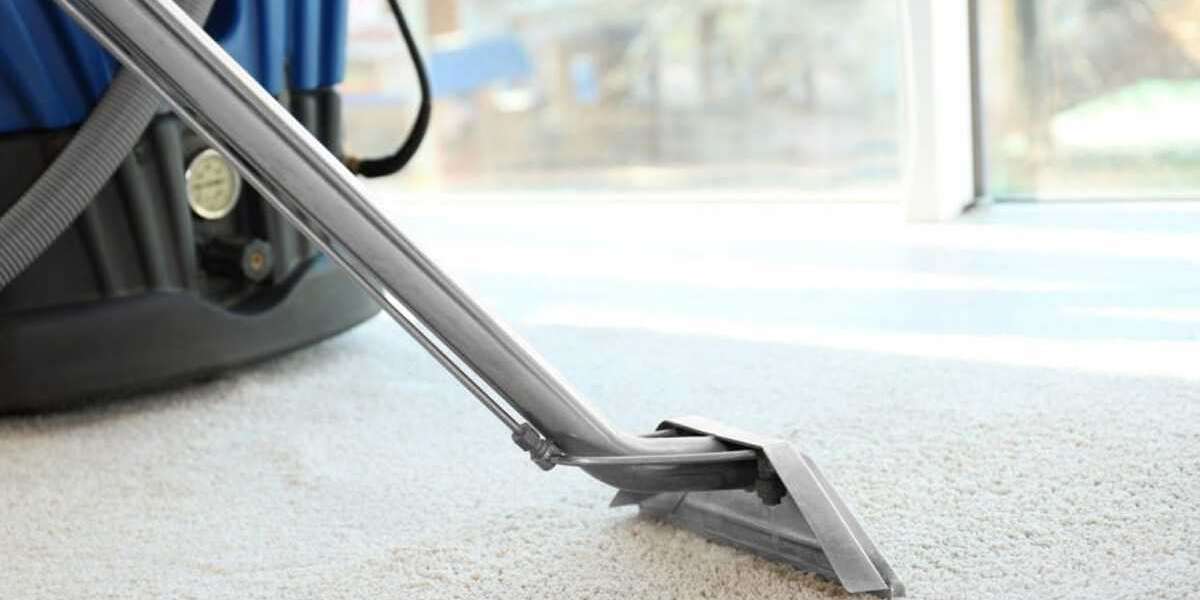
The Carpet and Rug Institute recognizes periodic deep extraction cleaning as an important part of carpet maintenance. Professional extraction systems are designed to loosen soil and recover much of the water or cleaning solution used during the process.
The exact method should depend on the carpet.
Different fibres can respond differently to cleaning. Different stains may require different treatment. Different homes also experience different levels of winter traffic.
A condo occupied by one person will not have the same needs as a family home with children, pets, and several people using the entrance every day.
That is why good carpet cleaning should be based on actual conditions rather than a one-size-fits-all routine.
Why Post-Winter Cleaning Matters More Than It Seems
The biggest mistake many people make is waiting until the carpet looks extremely dirty.
By that point, soil may have been building up for months.
Winter makes this worse because several problems happen at the same time. Moisture comes in with slush. Road salt leaves residue. Fine soil settles deeper into the carpet. Repeated foot traffic pushes that material into busy areas.
Then spring arrives and all of that daily winter activity suddenly slows down.
That makes the end of winter a natural time to assess the carpet.
Professional cleaning does not replace vacuuming.
It cannot repair worn carpet fibres.
It cannot guarantee that every old stain will disappear.
What it can do is address deeper soil and residue that regular household cleaning may leave behind.
That is an important distinction.
Good carpet care is not about waiting for the floor to look terrible and then trying to rescue it.
It is about controlling soil while it is still manageable and giving heavily used areas a deeper clean when routine maintenance is no longer enough.
Give Your Carpet a Proper Reset After a Toronto Winter
A Toronto winter can disappear from the streets long before it disappears from your home.
The snowbanks melt. The sidewalks dry. The salt trucks stop making their regular rounds.
But months of winter traffic may still be visible in the carpet near your doors, stairs, and hallways.
The January 2026 numbers show just how demanding a Toronto winter can become. The city experienced about 90 centimetres of snow across two major January storms and later reported removing approximately 538,000 tonnes of snow during the response. Toronto also typically uses between 130,000 and 150,000 tonnes of road salt during winter maintenance operations each year.
Those figures describe what happens outside.
Inside the home, the effect is smaller, but the pattern is easy to understand.
Winter material travels with people.
Some of it stays on the entrance mat. Some come off with your boots. Some reach the carpet and settle into the areas people use most.
Regular vacuuming, strong entrance mats, and removing outdoor shoes can reduce a large amount of that buildup.
Once winter is over, deeper cleaning can deal with what routine maintenance has left behind.
Take a close look at your entrance. Check the stairs. Compare the busiest pathways with areas protected by furniture.
The difference may be more noticeable than you expect.
Winter may be over outside, but some of what it brought into your home could still be sitting right under your feet.