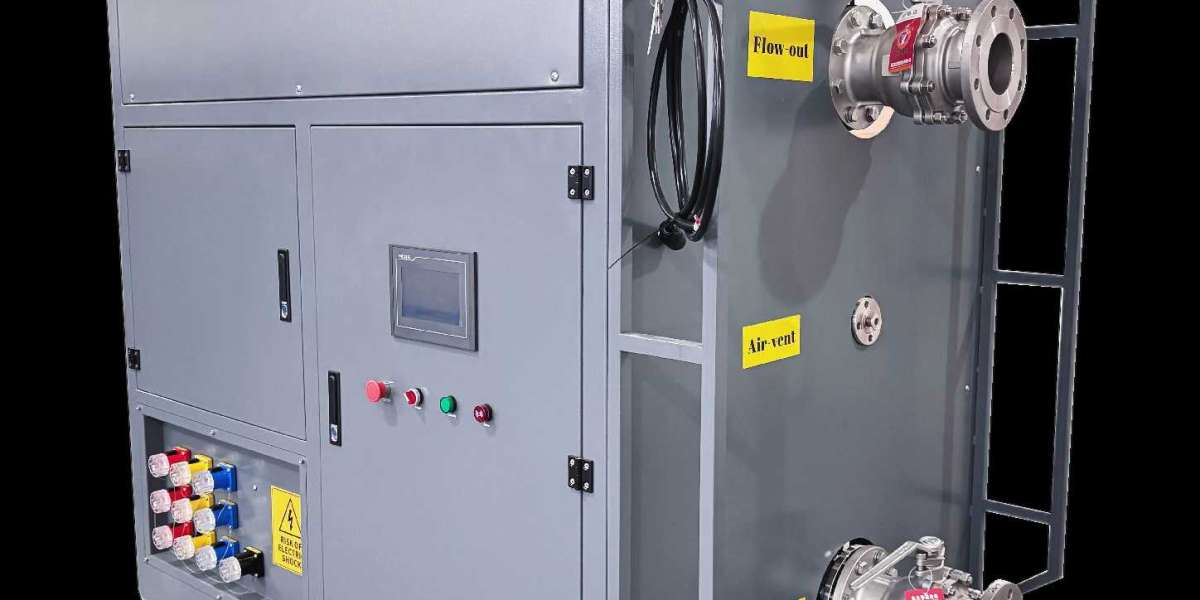

Load banks are essential tools for testing generators, uninterruptible power supplies (UPS), battery energy storage systems, and other critical power equipment. They simulate electrical loads to verify that power systems can perform reliably under real operating conditions. When selecting a load bank, one of the biggest decisions buyers face is choosing between liquid cooled and air-cooled models. Both options offer reliable testing capabilities, but they differ in cooling methods, performance, maintenance, and ideal applications. Understanding these differences can help organizations choose the most suitable solution for their operational needs.
The primary difference between the two technologies lies in how they manage heat. Air-cooled load banks use powerful fans to move air across resistive elements, allowing heat to dissipate into the surrounding environment. Liquid cooled load banks, on the other hand, circulate coolant through a closed-loop system to remove heat more efficiently. Because liquids transfer heat more effectively than air, liquid cooled systems can operate at higher power levels while maintaining stable temperatures.
Power density is one of the strongest advantages of liquid cooled load banks manufacturer. They are capable of handling large electrical loads within compact enclosures, making them ideal for facilities where space is limited. Air-cooled load banks generally require larger cabinets and greater ventilation space because they rely on airflow to control temperatures. For modern data centers, industrial plants, and offshore installations, the smaller footprint of liquid cooled equipment is often a significant advantage.
Heat management also plays an important role in choosing between the two options. Air-cooled load banks release heat directly into the surrounding area, increasing ambient temperatures during testing. This additional heat may require stronger building ventilation or cooling systems, particularly during extended load tests. Liquid cooled load banks transfer most of the heat through their coolant system, reducing heat released into the testing environment and creating more stable operating conditions.
Noise levels are another factor to consider. Air-cooled systems depend on high-capacity cooling fans that can generate considerable noise during operation. This may not be an issue for outdoor testing or industrial environments, but it can become a concern in indoor facilities or locations where noise control is important. Liquid cooled load banks operate much more quietly because they rely primarily on coolant circulation instead of large ventilation fans.
Application requirements should guide the selection process. Air-cooled load banks remain an excellent choice for general generator testing, routine maintenance, temporary field applications, and projects where installation space is not limited. They offer a straightforward design and are suitable for many traditional testing environments.
Liquid cooled load banks are better suited for high-performance applications that demand continuous operation, high power density, and efficient thermal management. They are widely used in AI data centers, cloud computing facilities, renewable energy projects, battery energy storage systems, marine applications, and industrial plants where compact equipment and advanced cooling performance are essential.
Maintenance requirements differ between the two technologies as well. Air-cooled load banks require regular inspection and cleaning of cooling fans, ventilation openings, and air filters to ensure unrestricted airflow. Liquid cooled systems require periodic inspection of coolant levels, pumps, hoses, valves, and heat exchangers. Although liquid cooled systems have additional cooling components, many modern designs are built for easy maintenance and long service life.
Energy efficiency is another area where liquid cooled technology offers advantages. Because liquid transfers heat more efficiently than air, these systems can often maintain operating temperatures with lower cooling energy requirements. Improved cooling efficiency supports stable performance while reducing unnecessary energy consumption during extended testing sessions.
Scalability should also be considered, particularly for organizations planning future expansion. Many liquid cooled load banks are designed with modular configurations that allow testing capacity to be increased as operational requirements grow. This flexibility helps businesses expand their testing capabilities without replacing existing equipment.
Cost is naturally an important factor. Air-cooled load banks generally have a lower initial purchase price and are often sufficient for many standard applications. Liquid cooled load banks may involve a higher upfront investment due to their advanced cooling technology and higher performance capabilities. However, their compact size, improved thermal efficiency, quieter operation, and ability to support demanding applications can provide excellent long-term value for organizations with advanced power testing needs.
Reliability should remain a top priority regardless of the chosen technology. Selecting equipment from a reputable manufacturer that follows strict quality control procedures, uses premium components, and provides strong technical support is essential for ensuring dependable performance throughout the equipment's service life.
In conclusion, both liquid cooled and air-cooled load banks provide reliable solutions for power system testing, but each is designed to meet different operational requirements. Air-cooled load banks offer a practical and cost-effective solution for many standard applications, while liquid cooled load banks deliver superior thermal management, higher power density, quieter operation, and space-saving designs for demanding environments. By carefully evaluating your testing needs, available installation space, operating conditions, maintenance expectations, and future expansion plans, you can confidently choose the load bank that best supports your organization's long-term power testing objectives.