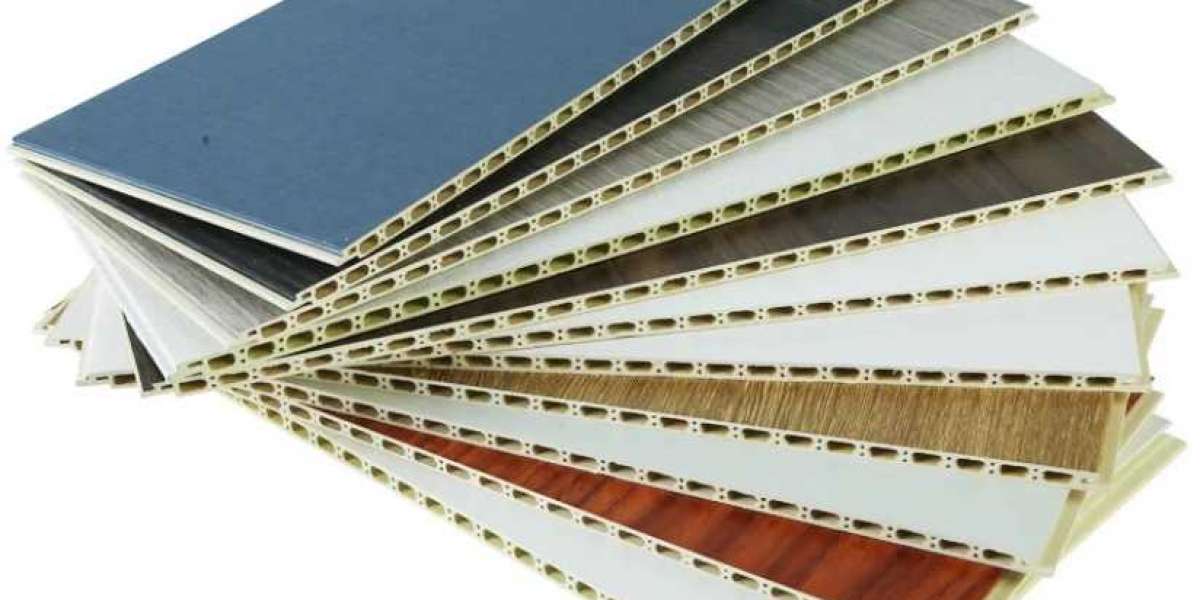

Homeowners renovating a living room, bedroom, or home office often default to solid wood paneling for its natural warmth — but that choice comes with trade-offs that aren't always obvious at the showroom. WPC (Wood-Plastic Composite) wall panels offer a way to get a comparable look with significantly fewer long-term headaches, and understanding the differences can help homeowners make a more informed decision.
Solid wood is a living material — it expands and contracts with humidity changes, which over time can lead to warping, cupping, or gaps between boards, particularly in climates with seasonal humidity swings. WPC panels, manufactured by combining wood fiber with PVC resin, offer far greater dimensional stability. Chongqing Huigong Machinery's panels are engineered specifically to resist the moisture-related movement that affects solid timber, making them a more predictable long-term choice for interior walls.
Cost is another major consideration. Solid wood paneling, particularly in premium species, carries a high material cost, and installation typically requires skilled carpentry. WPC panels are generally more cost-effective while still offering over 1,000 surface finish options — including deep wood grain textures that closely mimic the appearance of real timber — giving homeowners design flexibility without the premium price tag of solid hardwood.
Maintenance is where the gap becomes most apparent over time. Solid wood paneling typically needs periodic refinishing — sanding, staining, or sealing — to maintain its appearance and protect against moisture damage. WPC panels require only occasional wiping with a damp cloth, with no refinishing cycle at all, a meaningful difference for busy households that don't want recurring maintenance projects.
Installation speed also favors WPC. Traditional wood paneling installation often involves precise carpentry work, while WPC panels use a simplified clip or adhesive-based mounting system designed for faster, more consistent installation — a benefit whether homeowners are hiring a contractor or managing a DIY renovation with professional guidance.
For families with young children or pets, WPC's impact resistance and moisture tolerance offer practical peace of mind that solid wood cannot match, particularly in high-use rooms like living rooms, kitchens, or laundry areas. And with an E0 formaldehyde emission rating, Huigong's panels are formulated to support healthier indoor air quality, an increasingly important consideration for bedrooms and family living spaces.
For homeowners who love the aesthetic of wood but want to avoid its long-term maintenance demands, WPC wall panels offer a practical middle ground — natural visual warmth backed by engineered durability, available through free samples before committing to a full room renovation.










