
Archery has grown into one of the most popular outdoor activities for sports enthusiasts, recreational shooters, and experienced hunters alike. Whether you're interested in improving your target shooting skills or investing in high-performance archery equipment, choosing between a crossbow and a compound bow is one of the most important decisions you'll make.
Although both are designed to launch bolts or arrows with impressive accuracy and power, they differ significantly in design, handling, performance, and intended use. Understanding these differences will help you select equipment that matches your experience level, shooting style, and long-term goals.
If you're searching for crossbows for sale or compound bows for sale, it's worth comparing their features before making a purchase. You can browse a wide range of quality crossbows for sale for precision shooting and outdoor use, while those interested in traditional yet highly advanced archery equipment can explore premium compound bows for sale suitable for beginners and experienced archers alike.
Understanding Crossbows
A crossbow combines the principles of traditional archery with a rifle-style stock, allowing the bow to remain drawn until the trigger is activated. This design provides stability, ease of aiming, and consistent shooting performance.
Modern crossbows incorporate advanced materials, precision engineering, and improved safety mechanisms that make them more accurate and dependable than earlier designs.
Many people choose crossbows because they require less physical effort to hold at full draw, making them accessible to a wider range of users.
Crossbows are commonly used for:
- Recreational target shooting
- Competitive shooting
- Outdoor sports
- Archery practice
- Hunting where legally permitted
Understanding Compound Bows
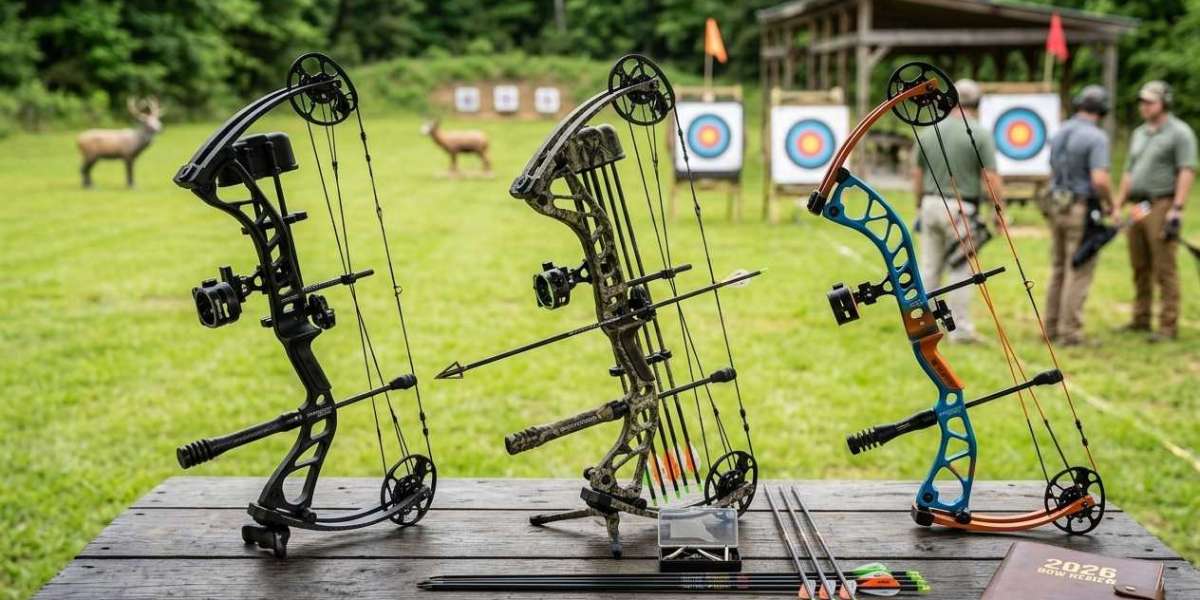
Compound bows represent one of the most significant advancements in modern archery. Unlike traditional bows, they use cams and pulley systems to reduce the holding weight once the bow reaches full draw.
This unique design allows archers to aim more steadily while maintaining excellent power and accuracy.
Compound bows are popular among:
- Competitive archers
- Target shooters
- Outdoor enthusiasts
- Hunters where permitted by law
- Archery clubs
- Beginners willing to learn proper technique
Because compound bows require manual drawing before each shot, they offer a more traditional archery experience while benefiting from modern engineering.
Crossbow vs Compound Bow: What's the Difference?
Although both launch projectiles using stored energy, their operation differs considerably.
Crossbow | Compound Bow |
Trigger-operated | Hand-drawn |
Held at full draw mechanically | Held using let-off from cams |
Easier for beginners to aim | Requires more shooting technique |
Rifle-style stock | Traditional bow grip |
Excellent stability | Greater shooting involvement |
Neither option is inherently better. Your choice depends on your personal preferences and intended use.
Advantages of Choosing a Crossbow
Many buyers prefer crossbows because they offer several practical advantages.
Easier Learning Curve
Crossbows are generally easier for beginners because they can remain cocked while aiming.
Improved Stability
The stock and trigger mechanism provide a familiar shooting position that many users find comfortable.
High Accuracy
Modern crossbows are capable of excellent accuracy when paired with quality optics and proper shooting technique.
Reduced Physical Strain
Since the bow remains cocked until fired, users do not need to hold the full draw weight while aiming.
Advantages of Choosing a Compound Bow
Compound bows continue to attract archers who enjoy developing precision and shooting skills.
Lightweight Design
Many compound bows are lighter than crossbows, making them easier to carry over long periods.
Faster Follow-Up Shots
Experienced archers can often reload and shoot quickly after practice.
Skill Development
Using a compound bow encourages proper shooting form, consistency, and discipline.
Highly Adjustable
Many modern models allow users to adjust draw weight and draw length for a customised shooting experience.
Choosing the Right Crossbow
Before purchasing a crossbow, consider several important features.
Draw Weight
Higher draw weights typically generate greater bolt speed, although they may require more effort to cock unless assisted.
Overall Weight
A lighter crossbow is easier to transport, while heavier models often provide additional stability.
Safety Features
Look for models equipped with anti-dry-fire mechanisms, automatic safeties, and secure trigger systems.
Optics Compatibility
Many crossbows include rails for mounting scopes or red-dot sights to improve aiming precision.
Choosing the Right Compound Bow
When shopping for a compound bow, focus on features that match your experience level.
Adjustable Draw Weight
Beginners often benefit from bows with adjustable draw weights that can increase as skills improve.
Draw Length
Proper draw length contributes significantly to shooting accuracy and comfort.
Comfortable Grip
A well-designed grip improves consistency during practice sessions.
Build Quality
Quality limbs, cams, and risers improve durability and long-term performance.
Maintenance Tips for Crossbows
Proper maintenance keeps your crossbow performing reliably.
Recommended maintenance includes:
- Inspect the string regularly.
- Wax the string according to manufacturer recommendations.
- Tighten mounting screws periodically.
- Check limbs for signs of wear.
- Store in a cool, dry location.
- Keep moving components clean.
Routine inspection helps identify issues before they affect performance.
Maintaining Your Compound Bow
Compound bows also require regular care.
Good maintenance practices include:
- Inspect strings and cables.
- Replace worn strings when necessary.
- Keep cams clean.
- Check limb bolts regularly.
- Store safely in a protective case.
- Have the bow professionally tuned if needed.
Well-maintained equipment provides greater consistency and reliability.
Safety Comes First
Whether using a crossbow or compound bow, safe handling should always be a priority.
Important safety guidelines include:
- Never point equipment at anything you do not intend to shoot.
- Inspect equipment before every use.
- Use only compatible arrows or bolts recommended by the manufacturer.
- Shoot only in designated areas with a safe backstop.
- Wear appropriate protective gear, including an arm guard and finger protection where applicable.
- Follow all local laws regarding ownership, transport, and use.
Responsible handling helps prevent accidents and ensures a safe experience for everyone involved.
Who Should Buy a Crossbow?
A crossbow may be the right choice if you:
- Prefer rifle-style aiming.
- Want an easier learning curve.
- Appreciate high stability.
- Enjoy recreational target shooting.
- Need equipment that requires less effort at full draw.
Crossbows are particularly appealing to users who value convenience and consistent accuracy.
Who Should Buy a Compound Bow?
A compound bow may be the better option if you:
- Enjoy traditional archery techniques.
- Want to improve your shooting skills.
- Appreciate lightweight equipment.
- Participate in archery competitions.
- Prefer a more active shooting experience.
Many experienced archers enjoy the challenge and satisfaction that compound bows provide.
Common Buying Mistakes
Avoid these mistakes when purchasing archery equipment.
Choosing Based Only on Price
Lower-priced equipment may compromise durability and long-term performance.
Ignoring Proper Fit
A compound bow should match your draw length and shooting style.
Neglecting Maintenance
Routine care extends equipment lifespan and improves shooting consistency.
Buying Without Research
Compare specifications, features, and intended uses before making your decision.
Overlooking Safety Features
Modern safety mechanisms improve both confidence and responsible handling.
Why Quality Equipment Matters
High-quality archery equipment provides better long-term value.
Premium crossbows and compound bows generally offer:
- Superior craftsmanship
- Better accuracy
- Increased durability
- Comfortable ergonomics
- Reliable performance
- Longer service life
Whether you're new to archery or an experienced enthusiast, investing in quality equipment helps improve every shooting session.
If you're looking for dependable equipment for target shooting or outdoor adventures, browse the latest crossbows for sale to compare reliable models built for performance and precision. Likewise, archers seeking lightweight, adjustable equipment can explore premium compound bows for sale designed to suit a variety of skill levels.
Making the Right Choice
Choosing between a crossbow and a compound bow ultimately comes down to your goals and preferences. If you value ease of use, mechanical stability, and a rifle-style shooting experience, a crossbow may be the ideal option. If you enjoy mastering archery techniques and appreciate a more traditional shooting style enhanced by modern technology, a compound bow offers an engaging and rewarding experience.
Take time to evaluate features such as draw weight, ergonomics, maintenance requirements, and intended use before making your purchase. Selecting quality equipment from a trusted retailer will help ensure reliable performance and years of enjoyable shooting.
Conclusion
Crossbows and compound bows each offer unique advantages for outdoor enthusiasts and archery lovers. Crossbows provide exceptional stability, simple operation, and an easier learning curve, making them an excellent choice for beginners and those seeking precision with minimal physical effort. Compound bows, on the other hand, reward good technique with impressive accuracy, versatility, and a more traditional archery experience.
Regardless of which option you choose, investing in well-made equipment, practising regularly, and following safe handling procedures will help you maximise your enjoyment and performance. By selecting the right bow for your needs, you'll be well-equipped for target shooting, recreational archery, or other lawful outdoor activities.
Frequently Asked Questions (FAQ)
1. What is the main difference between a crossbow and a compound bow?
A crossbow uses a trigger mechanism and remains cocked until fired, while a compound bow must be drawn manually for each shot and uses a cam system to reduce holding weight at full draw.
2. Are crossbows suitable for beginners?
Yes. Many beginners find crossbows easier to use because they offer greater stability, simpler aiming, and less physical effort while holding the bow at full draw.
3. How often should I maintain my archery equipment?
Inspect your bow or crossbow before every shooting session, clean it regularly, wax strings where recommended, and replace worn components according to the manufacturer's maintenance guidelines.
4. What should I consider before buying a compound bow?
Pay attention to draw length, adjustable draw weight, overall weight, build quality, ergonomics, and whether the bow suits your experience level.
5. Can I use the same arrows for both crossbows and compound bows?
No. Crossbows typically use shorter, heavier bolts, while compound bows use standard arrows specifically designed for that type of bow. Always use projectiles recommended by the manufacturer.
6. Why is buying quality archery equipment important?
High-quality equipment provides greater accuracy, improved durability, better safety features, consistent performance, and a longer service life, making it a worthwhile investment for beginners and experienced archers alike.