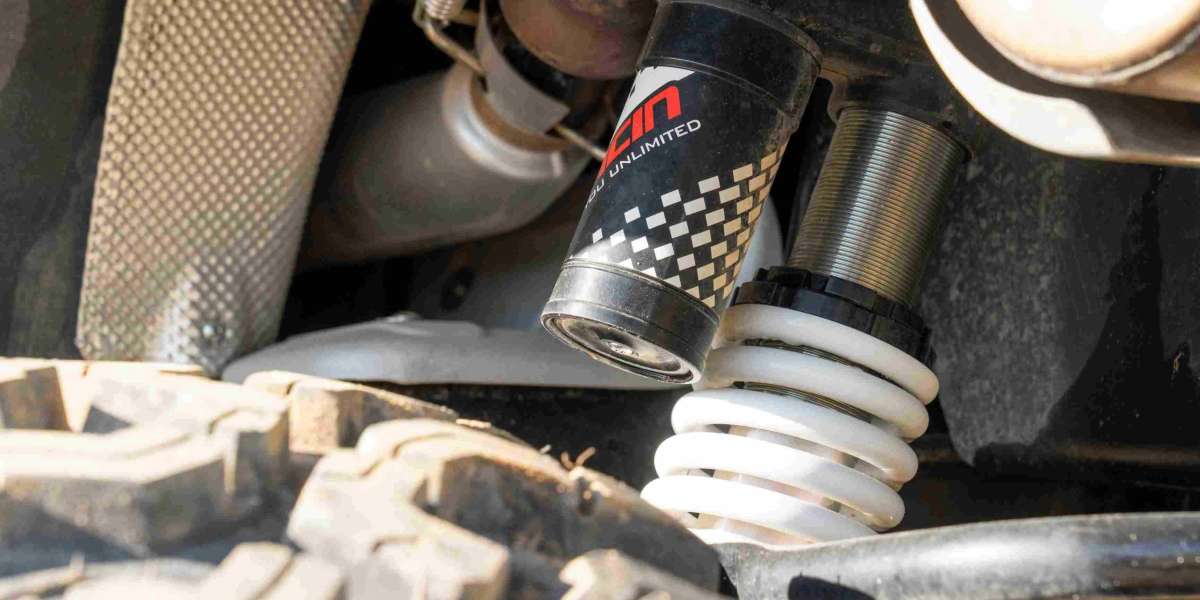

When people compare ATVs, engine size and horsepower usually get the most attention. Yet experienced riders often know that suspension has a greater impact on how an ATV feels once the trail becomes rough.
Whether you're climbing rocky mountain paths, crossing muddy ruts, or riding through forest trails, the suspension system determines how well the tires stay in contact with the ground, how comfortable the ride feels, and how much control the rider maintains.
This guide explains how ATV suspension works, the different suspension designs you'll encounter, and why long-travel independent suspension has become the preferred choice for modern utility and recreational ATVs.
What Does an ATV Suspension System Do?
An ATV suspension system connects the wheels to the chassis while absorbing impacts from uneven terrain.
Every time an ATV passes over rocks, roots, holes, or washboards, the suspension compresses and rebounds to keep the tires planted on the ground.
A well-designed suspension helps to:
- Improve traction
- Increase ride comfort
- Reduce rider fatigue
- Enhance steering precision
- Maintain stability on uneven terrain
- Protect the chassis from repeated impacts
Without an effective suspension system, even a powerful ATV can become difficult to control on challenging trails.
The Main Components of an ATV Suspension
Although suspension systems vary between manufacturers, most modern ATVs include several key components.
Control Arms
Control arms guide wheel movement while maintaining proper suspension geometry.
Many premium ATVs use double A-arm suspension, which provides greater wheel control than simpler designs.
Shock Absorbers
Shock absorbers control how quickly the suspension compresses and rebounds.
Without them, the ATV would continue bouncing long after hitting an obstacle.
Higher-end systems often allow adjustments for preload and damping, making it easier to tune the ride for different terrain or rider preferences.
Springs
Springs support the vehicle's weight while absorbing impacts from the trail.
Their stiffness affects ride comfort, body roll, and load-carrying capability.
Why Double A-Arm Suspension Is So Popular
Among today's off-road ATVs, independent double A-arm suspension has become one of the most common chassis designs.
Instead of connecting both wheels with a solid axle, each wheel moves independently.
This design provides several advantages:
- Better tire contact on uneven surfaces
- Improved cornering stability
- Reduced body movement
- Smoother ride over rocks and roots
- Better steering response
Independent suspension also allows each wheel to react separately, helping the ATV remain balanced when only one side encounters an obstacle.
Why Suspension Travel Matters
Suspension travel refers to how far the wheels can move up and down.
Longer suspension travel generally improves an ATV's ability to absorb larger bumps without transferring harsh impacts to the rider.
For example:
| Riding Environment | Suspension Requirement |
|---|---|
| Gravel roads | Moderate travel |
| Forest trails | Medium to long travel |
| Rocky mountains | Long travel |
| Mud and deep ruts | Long travel with good damping |
However, more travel doesn't automatically produce a better ride.
The quality of the shock absorbers and overall suspension tuning are equally important.
How Suspension Changes the Riding Experience
Many buyers notice engine performance during a short test ride, but suspension quality becomes much more obvious after spending several hours off-road.
A capable suspension system helps riders:
- Maintain better control on technical trails
- Experience less vibration through the handlebars
- Reduce fatigue during long rides
- Keep wheels in contact with loose or uneven ground
- Improve confidence on steep climbs and descents
These benefits become increasingly important for riders who frequently explore mountainous terrain or participate in organized trail rides.
Choosing the Right Suspension for Your Riding Style
Different riders place different demands on their ATV.
Recreational Trail Riding
Comfort and predictable handling are usually the highest priorities.
Independent suspension with moderate travel generally provides a balanced riding experience.
Mountain Riding
Steep climbs and rocky surfaces benefit from:
- Long suspension travel
- High ground clearance
- Adjustable shocks
- Independent wheel movement
Utility Work
Farm and ranch operators often value suspension that remains stable while carrying cargo or towing equipment.
In these situations, durability and load support become just as important as comfort.
Final Thoughts
Suspension is one of the most important yet often overlooked parts of an ATV.
While engine performance determines how much power is available, the suspension determines how effectively that power reaches the ground. A well-designed suspension improves traction, enhances comfort, reduces rider fatigue, and gives riders greater confidence across a wide variety of terrain.
Modern ATVs equipped with independent double A-arm suspension, long wheel travel, and adjustable shock absorbers are generally better suited to demanding off-road environments than models using simpler suspension layouts.
If you're evaluating an ATV for trail riding, mountain exploration, or utility work, don't stop at comparing horsepower. Taking a closer look at the suspension system will give you a much better understanding of how the vehicle is likely to perform once the pavement ends.









