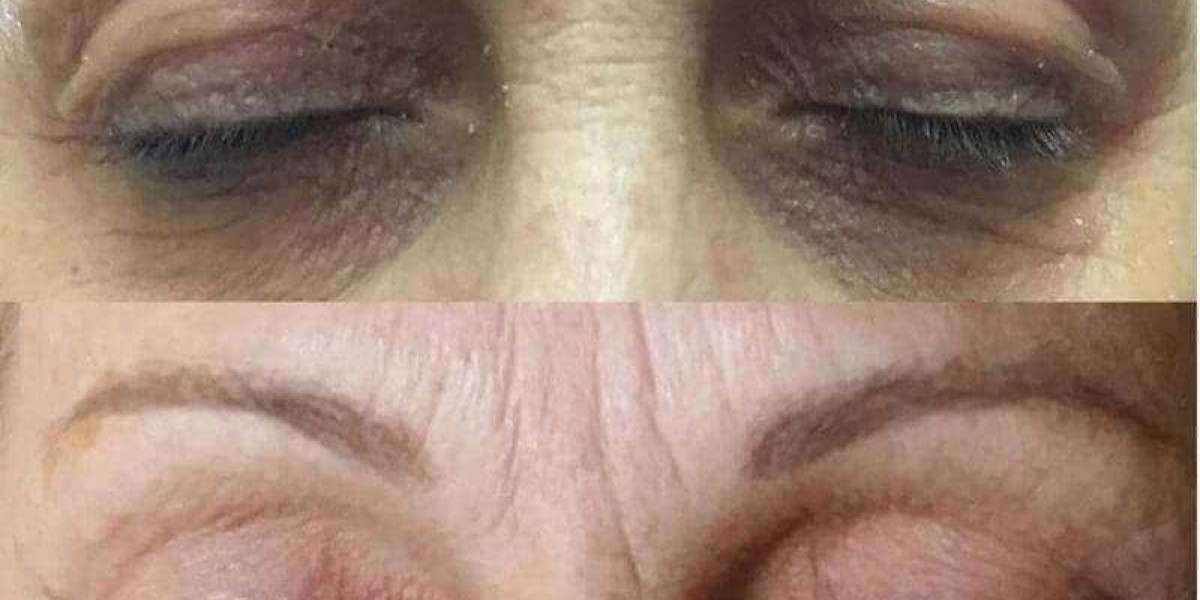

Lauren Schulz spent years feeling uncomfortable with the way her under-eye area looked in photographs. She explained publicly that her under-eye bags made her appear more tired than she actually felt. Like many people facing the same concern, she first explored skincare products and other non-surgical options, hoping they would improve the area around her eyes. Over time, she realised that while skincare could support her skin’s quality, it could not change the deeper causes behind the bags.
After consulting with a specialist, Lauren decided to undergo lower eyelid surgery. Her recovery involved expected swelling and bruising, but after the healing process was complete, she felt the result gave her a more refreshed appearance while still looking like herself.
Her experience reflects a common situation. Many people in the Netherlands and around the world spend months or even years trying different eye creams because they believe the right product will remove their under-eye bags. Sometimes skincare can improve dryness, fine lines, or temporary puffiness. However, when the problem is caused by loose skin, weakened tissues, or changes in the fat around the eyes, creams cannot correct what is happening beneath the surface.
This is where understanding blepharoplasty becomes important. The procedure is not about changing someone’s identity or creating an artificial appearance. Instead, it focuses on improving specific changes around the eyelids that may make a person look more tired than they feel.
Why Eye Creams Often Cannot Fix Persistent Under-Eye Bags
Eye creams have become one of the most popular solutions for tired-looking eyes. Many products are designed to hydrate the delicate skin around the eyes, improve texture, and temporarily reduce mild puffiness. These benefits can make the skin appear healthier, but they have limits.
The reason is simple: not every under-eye concern starts on the skin’s surface.
The skin around the eyes is naturally thin and sensitive. As people age, the body gradually produces less collagen and elastin, which are important for maintaining firmness and flexibility. The tissues supporting the eyelids can become weaker, and the skin may begin to lose some of its tightness.
At the same time, the fat that naturally supports the eye area can shift forward. This creates a fuller appearance under the lower eyelids, which many people describe as under-eye bags. Since eye creams cannot remove excess skin or reposition fat tissue, they cannot fully correct these structural changes.
This explains why some people follow excellent skincare routines but still notice the same under-eye bags year after year. The problem is not always the product they are using. In many cases, the treatment does not match the actual cause.
Understanding this difference helps people make better choices. Skincare remains valuable for maintaining healthy skin, but it cannot replace a procedure designed to address changes deeper within the eyelid area.
What Causes Under-Eye Bags and Tired-Looking Eyes?
Under-eye bags develop for different reasons, and identifying the cause is one of the most important steps before considering any treatment.
Ageing is one of the most common factors. Over time, the skin becomes less firm, and the structures that support the eyelids gradually change. These natural processes can make the lower eyelid appear heavier or more noticeable.
Genetics also plays a major role. Some people naturally have more visible fat beneath their eyes or a facial structure that creates a shadowed appearance under the eyelids. In these cases, under-eye bags may appear even when someone sleeps well, follows a healthy lifestyle, and takes good care of their skin.
Lifestyle factors can also affect the eye area. Lack of sleep, stress, allergies, dehydration, and high salt intake may cause temporary swelling. These changes often improve when the underlying cause is managed.
However, there is an important difference between temporary puffiness and permanent under-eye bags. Temporary swelling is usually related to fluid retention or lifestyle factors, while permanent bags are often linked to changes in skin, muscle, and fat around the eyes.
The Nederlandse Vereniging voor Esthetische Plastische Chirurgie (NVEPC) explains that under-eye bags can develop when the tissues around the eyes become looser and when fat beneath the eyes becomes more visible. These changes can create a tired or aged appearance, even when someone feels healthy and energetic.
For this reason, a proper assessment is important before deciding on any treatment. The same appearance can have different causes, and the right solution depends on understanding what is happening beneath the skin.
What Is Blepharoplasty and How Can It Improve Under-Eye Bags?
Blepharoplasty is a surgical procedure that focuses on improving changes around the eyelids. It can involve the upper eyelids, lower eyelids, or both, depending on the concerns a person wants to address.
Upper eyelid blepharoplasty is often considered when excess skin creates a heavy or drooping appearance. Some people feel that their upper eyelids make them look constantly tired, while others may experience functional issues if extra skin affects their vision.
Lower eyelid blepharoplasty mainly focuses on concerns such as under-eye bags and puffiness. Depending on the individual situation, the procedure may involve removing excess skin, adjusting fat position, or creating a smoother transition between the lower eyelid and cheek.
You can learn more about the procedure through this resource about blepharoplasty.
The aim of the procedure is usually refinement rather than a dramatic transformation. A successful result should maintain the natural shape of the eyes while reducing the features that create a tired appearance.
Many people who consider eyelid surgery are not trying to look like a different person. They simply want their outside appearance to better reflect how they feel internally.
Why Blepharoplasty Has Become a Popular Facial Procedure
The eyes have a strong influence on facial expression and how people perceive emotions. Even small changes around the eyelids can affect whether someone appears rested, stressed, older, or tired.
This is one reason eyelid surgery remains one of the most requested aesthetic procedures worldwide.
According to the International Society of Aesthetic Plastic Surgery (ISAPS) Global Survey 2024, eyelid surgery accounted for more than 2.1 million procedures worldwide. The same research reported a 13.4% increase compared with the previous reporting period.
These numbers show continued interest in eyelid rejuvenation, but they do not mean surgery is suitable for everyone. Each person has different facial features, skin quality, medical history, and expectations.
Modern cosmetic surgery has also moved away from the idea of creating a completely different appearance. Many patients today prefer subtle improvements that help them look refreshed while keeping their natural character.
A natural result is often the main goal because the best cosmetic procedures are usually the ones that improve confidence without becoming the first thing people notice.
When Should You Consider Blepharoplasty?
There is no exact age when someone should consider eyelid surgery. Some people notice changes earlier because of genetics, while others experience more visible ageing changes later in life.
The decision usually depends on how much the concern affects someone and whether the problem can realistically be improved through surgery.
A person may consider discussing blepharoplasty with a qualified professional when under-eye bags remain noticeable despite healthy habits and proper skincare. It may also be worth exploring when excess upper eyelid skin creates heaviness, when the eyes appear constantly tired, or when someone wants to understand whether their concern is caused by loose skin, fat changes, or another facial feature.
The Nederlandse Vereniging voor Plastische Chirurgie (NVPC) highlights the importance of informed decision-making, including understanding possible risks, expected results, and whether the procedure matches the patient’s goals.
A consultation does not mean someone has decided to have surgery. It is simply a way to understand the available options and determine whether the procedure is appropriate.
How Long Does Blepharoplasty Recovery Take?
Many people who consider eyelid surgery focus mainly on the procedure itself, but recovery is an equally important part of the decision. Understanding what happens after surgery helps people prepare mentally and physically and prevents unrealistic expectations about the healing process.
Blepharoplasty is usually performed as an outpatient procedure, which means many patients return home on the same day. The exact length of the procedure depends on whether the upper eyelids, lower eyelids, or both areas are being treated.
According to the Cleveland Clinic, upper eyelid surgery usually takes around 45 minutes to one hour, while a combined upper and lower eyelid procedure may take around two hours, depending on the complexity of the treatment.
After the procedure, swelling, bruising, and mild sensitivity around the eyes are common. The eyelid area is delicate, so even small changes during healing can be noticeable. Most patients understand that the first days after surgery are temporary and do not represent the final result.
During recovery, doctors usually recommend following specific aftercare instructions, protecting the eye area, and avoiding activities that may increase pressure or slow healing. Many people feel comfortable returning to normal social activities after around 10 to 14 days, although complete healing can continue for several months as the tissues settle.
Patience is an important part of the process because the final appearance develops gradually. A person should judge the result only after the healing period has progressed, not during the early days when swelling is still present.
Understanding the Possible Risks of Eyelid Surgery
Like any surgical procedure, blepharoplasty comes with possible risks. Understanding these risks does not mean the procedure is unsafe. It simply allows people to make decisions based on complete information.
The Cleveland Clinic explains that possible complications can include bleeding, infection, dry eyes, changes in eyelid position, scarring, difficulty fully closing the eyes, and other uncommon issues.
This is why choosing a qualified and experienced professional is an important part of the process. The eyelid area requires precision because it plays a major role in both appearance and eye function.
A consultation should involve more than discussing the desired result. It should also include an assessment of eye health, facial structure, medical history, and whether the person’s expectations are realistic.
For example, someone may believe they have only under-eye bags, but the actual concern could involve several factors, such as skin laxity, volume loss, or changes in the cheek area. Treating the wrong cause may not create the improvement a person expects.
A careful assessment helps determine whether blepharoplasty is suitable or whether another option may better match the concern.
Is Blepharoplasty Suitable for Everyone With Under-Eye Bags?
Having under-eye bags does not automatically mean someone needs eyelid surgery.
Some people experience puffiness because of temporary factors such as poor sleep, allergies, stress, or dehydration. These concerns may improve through lifestyle adjustments and skincare.
Blepharoplasty is usually considered when the issue comes from structural changes that creams and lifestyle changes cannot correct.
For example, someone may benefit from discussing the procedure if they have persistent lower eyelid bags caused by visible fat changes or if excess upper eyelid skin creates heaviness around the eyes.
The Cleveland Clinic notes that suitable candidates are generally healthy adults with specific concerns and realistic expectations. Existing eye conditions, including dry eyes or other eye-related problems, should be discussed before surgery because they may affect suitability.
The goal is not perfection. The goal is improvement that matches the person’s natural features.
Why Natural Results Matter in Modern Eyelid Surgery
One of the biggest changes in cosmetic procedures today is the focus on natural-looking results.
Most people considering blepharoplasty are not trying to completely change their appearance. They usually want to look less tired, more refreshed, and closer to how they feel internally.
The eye area is central to facial expression. A person’s eyes communicate emotions, so maintaining natural movement and balance is extremely important.
A good result should not make someone look surprised or different. Instead, it should gently improve concerns such as excess skin or under-eye fullness while preserving the character of the face.
This is why modern eyelid surgery focuses on careful planning rather than simply removing as much skin or fat as possible.
What Should People in the Netherlands Know Before Considering Blepharoplasty?
For people in the Netherlands, deciding whether to have eyelid surgery should begin with understanding the reason behind the concern rather than focusing only on appearance.
The Netherlands has a strong focus on informed healthcare choices. Before undergoing a cosmetic procedure, patients should receive clear information about possible benefits, limitations, recovery expectations, and risks.
A good consultation should help answer important questions:
Why do my under-eye bags appear?
Is the problem caused by skin, fat, muscle, or another facial change?
Would upper eyelid surgery, lower eyelid surgery, or another treatment be more suitable?
What type of result is realistic for my face?
How long should I expect the recovery process to take?
These questions matter because every face ages differently. Two people with similar-looking eye bags may need completely different approaches.
The right decision should come from understanding personal goals and receiving professional advice, not from comparing yourself with other people online.
Why Some People Choose Blepharoplasty After Trying Other Solutions
Many people do not immediately think about surgery when they first notice under-eye bags. They often spend time trying different creams, changing their skincare routine, improving sleep, or exploring non-surgical treatments.
These steps can be helpful when the concern is related to skin quality or temporary swelling. However, some people eventually realise that the problem comes from deeper changes that skincare cannot address.
This is especially true for people with genetic under-eye fullness. Some younger adults also experience noticeable under-eye bags because of their natural facial structure rather than ageing alone. Recent discussions in aesthetic medicine have shown increased interest in lower blepharoplasty among younger patients who have persistent under-eye fullness that does not respond to creams or other options.
However, younger age alone is not a reason to choose surgery. The most important factor is whether the person has a specific concern that can realistically be improved.
Choosing Between Skincare, Lifestyle Changes, and Blepharoplasty
The right solution depends on the reason behind the under-eye concern.
If the issue is dry skin, mild fine lines, or temporary puffiness, skincare may provide useful improvements. A healthy routine, enough sleep, proper hydration, and managing allergies can also make a difference when lifestyle factors are involved.
However, if the main concern is excess eyelid skin, persistent under-eye bags, or changes in fat position around the eyes, blepharoplasty may be something worth discussing with a qualified professional.
The important point is that no single solution works for everyone.
A person should not feel pressured to choose surgery simply because creams have not worked. Instead, they should first understand what is causing the problem and what each option can realistically achieve.
Making an Informed Decision About Your Eye Area
Under-eye bags can be frustrating because they often create a difference between how someone feels and how they appear. A person may feel energetic and healthy but still look tired because of changes around the eyes.
Eye creams can support the skin, but they cannot reverse every change caused by ageing, genetics, or facial structure. When the concern involves deeper changes around the eyelids, blepharoplasty may provide an option for people who want to explore a longer-lasting improvement.
The most important step is making a decision based on accurate information and realistic expectations.
Finding the Right Path Toward a Fresher Appearance
A refreshed eye area does not always require surgery, and surgery is not the right choice for everyone. The first step is understanding why under-eye bags are present and whether the cause can be improved through skincare, lifestyle changes, or a medical procedure.
For some people, better skincare habits may be enough. For others, structural changes around the eyelids may mean that blepharoplasty becomes a treatment worth considering.
The best results come from informed choices, careful planning, and realistic goals. When someone understands both the possibilities and limitations of eyelid surgery, they can choose an approach that feels right for their own appearance, health, and confidence.









