
Introduction
Most essential oils work through scent alone — you inhale a molecule, your brain registers it, and some effect follows. Copaiba does something genuinely different. Its dominant compound, beta-caryophyllene, is one of the only plant compounds outside the cannabis family known to directly bind to CB2 receptors — a part of your body's endocannabinoid system, the same signalling network THC and CBD interact with. It does this without any psychoactive effect, which is why researchers sometimes refer to it as a "dietary cannabinoid" rather than a true phytocannabinoid.
That's a genuinely unusual thing for a tree resin to do, and it's the real reason copaiba has moved from a little-known Amazonian remedy to a increasingly common name on Canadian wellness shelves. This guide covers how the oil is actually harvested, what that CB2 connection does and doesn't mean, and how to use copaiba oil properly — without the overhyped claims that show up on a lot of product pages.
How Copaiba Oil Is Harvested — Without Cutting Down a Single Tree
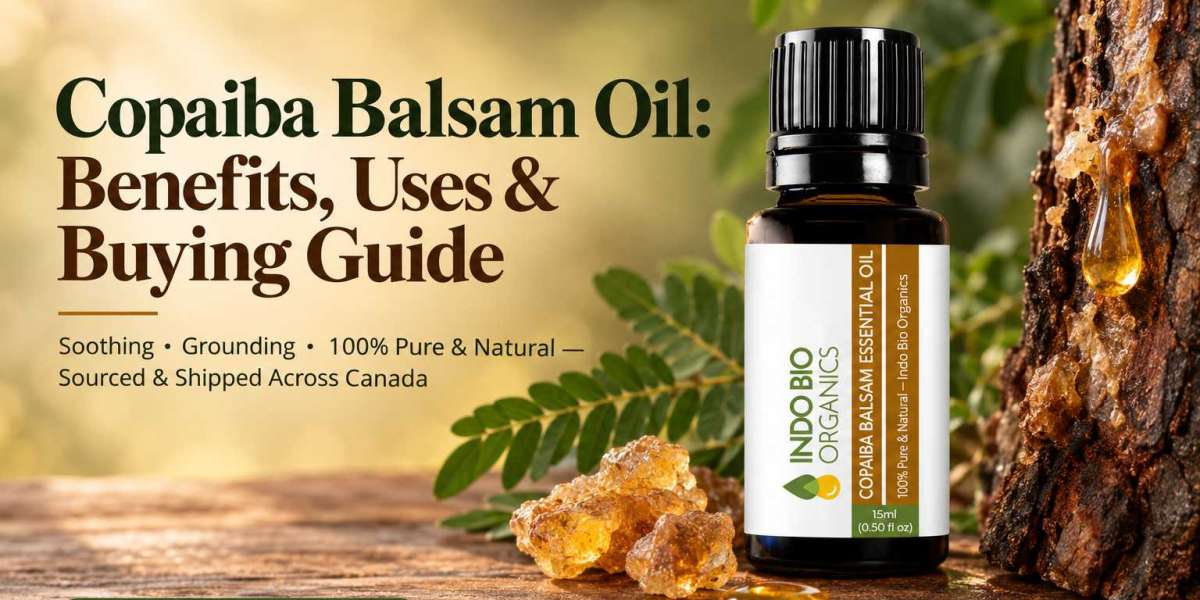
Here's something copaiba shares with maple syrup rather than with most essential oils: it's tapped, not distilled from cut plant material. Harvesters drill a small hole into the trunk of a mature Copaifera tree — a tall legume tree native to Brazil, Venezuela, and Bolivia — and the thick, resinous sap flows out on its own, collected without felling the tree or stripping its bark. A single healthy tree can be tapped repeatedly over years, sometimes yielding dozens of litres of resin across its lifetime.
This matters for two reasons. First, it's a genuinely sustainable harvesting method compared to oils that require large volumes of flowers, leaves, or roots to be harvested and processed. Second, it means the raw material — the resin itself — is usable in more than one form, which brings us to a distinction most product listings gloss over.
Oleoresin vs. Essential Oil — Two Different Products, One Confusing Label
The tapped resin can be sold in two different forms, and they are not identical. The oleoresin is the raw, unprocessed sap — thick, viscous, and containing the full range of the plant's compounds, including larger molecules called diterpenes that don't survive distillation. The essential oil is produced by steam-distilling that resin, which concentrates the lighter sesquiterpene compounds (like beta-caryophyllene) but leaves the heavier diterpenes behind.
In practice, this means the oleoresin and the distilled essential oil can behave somewhat differently — some practitioners specifically prefer the oleoresin for topical wound and skin applications because of those additional diterpene compounds, while the distilled essential oil is generally easier to work with in diffuser blends and lighter topical formulations. When you're shopping, check which one you're actually buying; "copaiba oil" is sometimes used loosely to describe either product.
The Compound That Makes Copaiba Genuinely Unusual
Copaiba essential oil can contain some of the highest concentrations of beta-caryophyllene found in any known essential oil — in some analyses, more than half the oil's total composition. Beta-caryophyllene is a sesquiterpene that functions as a selective CB2 receptor agonist, meaning it activates that specific receptor without crossing into the brain's CB1 receptors, which is where THC produces its psychoactive effects. In plainer terms: it interacts with a system connected to inflammation and immune response regulation, without getting anyone "high."
This same compound shows up, in smaller concentrations, in black pepper and cloves — which is worth knowing if you're building a blend, since layering copaiba with either of those oils reinforces rather than competes with its core chemistry.
What Copaiba Oil Is Genuinely Used For
Muscle, Joint, and Everyday Pain Relief
This is copaiba's most talked-about use, and it's grounded in real (if still early-stage) research into beta-caryophyllene's anti-inflammatory action. Diluted into a massage oil, copaiba is commonly used for sore muscles, tired joints, and general everyday aches — often blended with black pepper or plai for a warming, circulation-supporting combination.
Calming Irritated, Reactive Skin
Copaiba's anti-inflammatory reputation extends to skin care, where it's used in diluted blends aimed at calming redness, itchiness, and general irritation. Some people specifically look to it for chronic, reactive skin conditions, applied as part of a broader skin-care routine rather than as a standalone treatment.
Supporting Emotional Steadiness
Beyond the physical, copaiba's mild, woody-balsamic aroma is used aromatically for a calming, steadying effect — reached for during stressful or emotionally demanding stretches, similar in spirit to how vetiver or frankincense are used, though copaiba's scent profile is notably softer and less intense than either.
A Natural Perfume Fixative
As a base note with real staying power, copaiba is sometimes used in natural perfumery to anchor lighter top and heart notes, helping a fragrance blend last longer on skin.
Scalp and Hair Support
Diluted copaiba is occasionally added to scalp oils or hair masks, valued for its moisturizing quality and its potential to help soothe an irritated or flaky scalp.
Setting Expectations: What the Research Actually Shows
It's worth being direct about something a lot of copaiba marketing glosses over: while beta-caryophyllene's interaction with CB2 receptors is real and has been demonstrated in laboratory and animal studies — including research on inflammatory and neuropathic pain models — large-scale human clinical trials on copaiba essential oil specifically are still limited. Some of the more striking claims circulating online (immune-boosting against specific viruses, cancer-fighting properties) are extrapolated from early lab research involving isolated compounds, not from studies on people using the diluted essential oil at home.
That's not a reason to dismiss copaiba — the underlying chemistry is genuinely interesting, and the traditional use history in Amazonian medicine spans centuries. It's a reason to use it with realistic expectations: as a supportive part of a wellness routine, not a substitute for medical treatment of a diagnosed condition.
How to Actually Use Copaiba Oil
A Massage Blend for Sore Muscles
Combine 2 drops of copaiba oil with 2 drops of black pepper oil in a tablespoon of carrier oil (grapeseed or sweet almond work well) and massage into sore areas, working in upward strokes toward the heart.
A Calming Facial Oil Addition
Add 1 drop of copaiba oil to a teaspoon of your regular facial oil or moisturizer for a calming, skin-soothing boost — a reasonable addition for reactive or easily irritated skin.
In a Diffuser
Add 3–4 drops of copaiba oil to your diffuser, alone or blended with citrus or floral oils to soften its woody, balsamic base.
A Rollerball for On-the-Go Relief
Combine 6–8 drops of copaiba oil with a carrier oil in a 10 ml rollerball for convenient application to wrists, temples, or sore spots throughout the day.
Getting the Dilution Right
- Massage/body use: 2–3% dilution — roughly 2–3 drops per teaspoon of carrier oil
- Facial use: 1% dilution — 1 drop per teaspoon of carrier oil
- Diffuser: 3–4 drops per standard reservoir
- Rollerball blend: 6–8 drops per 10 ml carrier oil
Copaiba is generally considered one of the gentler essential oils on skin, but proper dilution is still recommended, especially for facial application.
What Pairs Well With Copaiba Oil
Copaiba's soft, woody-balsamic profile blends easily with a wide range of oils:
- Black Pepper — reinforces the beta-caryophyllene profile for pain-relief blends
- Frankincense — deepens the grounding, meditative quality
- Lavender — softens copaiba further for a gentle relaxation blend
- Bergamot or Orange — brightens copaiba's heavier base note
- Clove — another beta-caryophyllene-rich oil, useful in small amounts for pain-focused blends
- Sandalwood — for a rich, warm, grounding combination
What to Check Before You Buy
- Oleoresin or distilled oil specified: the listing should clarify which product you're getting, since they behave somewhat differently
- Species noted: Copaifera officinalis, C. reticulata, and C. langsdorffii are among the most common sources and are generally considered similar in profile
- Sustainable tapping method confirmed: reputable suppliers should be able to speak to how the resin was harvested
- Origin disclosed: Brazil is the most traditional and common source
- Purity and testing information available: ask about lab testing to confirm beta-caryophyllene content and purity
Who Should Be Cautious
- Anyone taking blood-thinning medication — some traditional sources note a mild effect on blood clotting, so check with a doctor first
- Pregnant or breastfeeding individuals, without medical guidance
- Anyone with a known allergy to Peru balsam or related balsam resins — cross-sensitivity is possible, though copaiba is generally considered gentler
- Children — use only under professional guidance
- Anyone expecting dramatic, clinically-proven results — set expectations based on early-stage research, not marketing claims
Questions People Actually Ask
Is copaiba oil the same as CBD oil? No. Copaiba's beta-caryophyllene interacts with CB2 receptors in a way that's chemically distinct from CBD, and it comes from a completely different plant family (a legume tree, not cannabis). They both touch the endocannabinoid system, but they're not interchangeable products, and copaiba is not regulated or marketed as a cannabinoid product.
Will copaiba oil get me high? No. Beta-caryophyllene selectively activates CB2 receptors, not the CB1 receptors in the brain responsible for THC's psychoactive effects. There's no intoxicating effect from using copaiba oil.
What's the difference between copaiba oleoresin and copaiba essential oil? The oleoresin is the raw, tapped sap in its natural, thicker form, containing a broader range of compounds including some larger molecules lost during distillation. The essential oil is steam-distilled from that resin, concentrating certain lighter compounds like beta-caryophyllene. Check your product listing to know which one you have.
Is the research on copaiba oil solid? The chemistry behind beta-caryophyllene's CB2 interaction is well-documented in lab and animal studies, but large human clinical trials on the essential oil itself are still limited. Use it as a supportive wellness tool with realistic expectations, not as a substitute for medical treatment.
Where can I buy pure copaiba balsam essential oil in Canada? Indo Bio Organics carries copaiba within its Natural Essential Oils collection, shipped from within Canada, alongside complementary oils like black pepper and frankincense for building your own pain-relief or grounding blend.
Where This Leaves You
Copaiba is one of the more scientifically interesting oils on the market right now — not because of overhyped marketing claims, but because its dominant compound genuinely does something most plant oils don't: it speaks directly to a receptor system your body already has. That's worth knowing, and worth using thoughtfully, without expecting it to outperform what the current research actually supports.
Used as intended — diluted properly, sourced from a supplier who's transparent about oleoresin versus distilled oil, and treated as one supportive tool among several — copaiba earns its growing reputation honestly.
Explore copaiba and other natural essential oils shipped across Canada from Indo Bio Organics.









