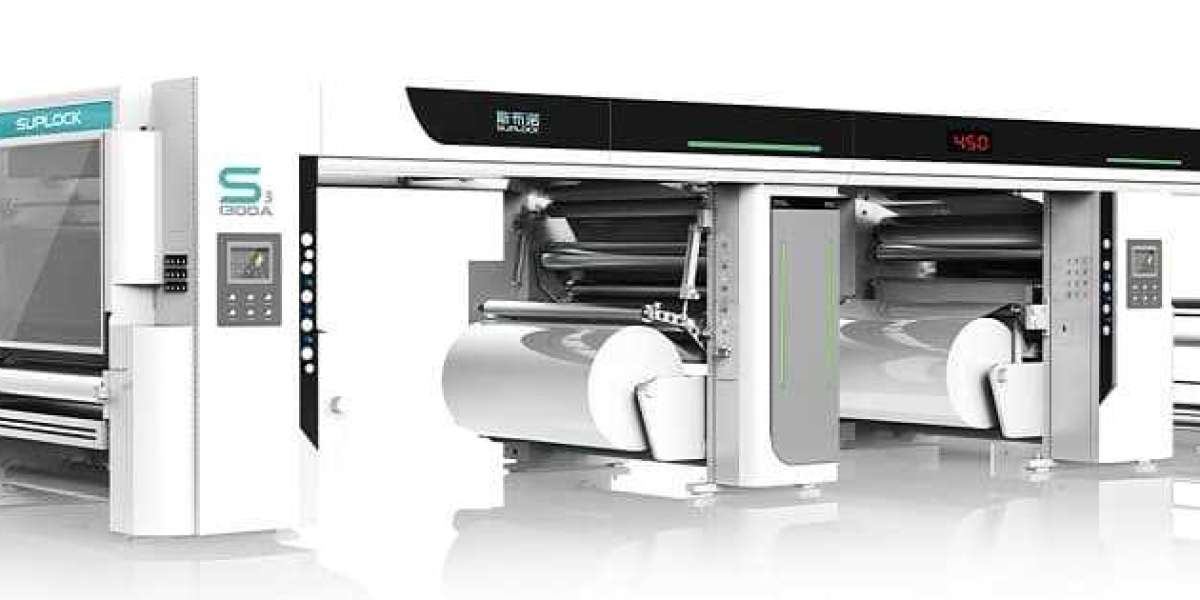

The success of any solventless lamination operation depends on two critical factors: selecting the right substrate combination for the application, and optimizing the lamination process to achieve consistent, defect-free results. Whether using a 2-layer solventless laminating machine or a triplex solventless laminating machine, understanding the interplay between materials, adhesives, and process parameters is essential for maximizing quality and productivity. This article explores the key considerations for both two-layer and three-layer lamination.
Substrate Selection for 2-Layer Lamination
In 2-layer lamination, the choice of substrates determines the functional properties of the finished packaging. The most common two-layer structures each serve specific application needs:
PET/PE – This industry-standard combination offers an excellent balance of properties. PET provides strength, clarity, and printability, while PE delivers sealability and moisture resistance. The structure is widely used for snack foods, confectionery, and general-purpose packaging.
BOPP/PE – An economical option for lightweight packaging such as bread bags, produce packaging, and textile packaging. BOPP offers good stiffness and machinability, while PE provides the seal layer.
BOPP/CPP – A popular choice for applications requiring high clarity and stiffness, commonly used for baked goods and stationery. Both materials are polypropylene-based, offering good compatibility and recyclability potential.
PET/CPP – Preferred for applications requiring higher heat resistance, such as retort packaging. CPP's higher melting point compared to PE makes it suitable for heat-sealing applications at elevated temperatures.
Aluminum Foil/Plastic Film – Used where absolute barrier to light, moisture, and oxygen is required, such as pharmaceutical blister packaging and premium coffee pouches.
When selecting substrates for 2-layer lamination, converters must consider the elongation characteristics of each material. Tension control is particularly critical when laminating materials with different elongation properties—the tension must be managed to ensure that both layers stretch consistently and do not slip relative to each other during lamination.
Substrate Selection for 3-Layer Lamination
3-layer lamination adds an additional layer of complexity—and capability. The middle layer typically provides barrier properties, while the outer and inner layers contribute strength, printability, and sealability.
PET/AL/PE – The most common triplex structure for high-barrier applications. PET provides strength and printability, aluminum foil delivers absolute barrier, and PE offers sealability. This structure is the standard for pharmaceutical packaging and premium food pouches.
BOPP/NY/CPP – A structure offering excellent puncture resistance and barrier properties. NY (nylon) provides exceptional mechanical strength and puncture resistance, making this structure ideal for frozen food packaging and products requiring durability during transport.
BOPP/CPP/PE – A versatile structure for snack food packaging. The BOPP outer layer provides printability and stiffness, CPP offers additional barrier, and PE delivers sealability.
For 3-layer lamination, the challenge is ensuring uniform adhesive distribution across all three layers while managing the tension of each individual web. The triplex solventless laminating machine addresses this through multiple independent tension zones and precise coating control.
Common Defects and Their Solutions
Web Breakage – The most disruptive failure in solventless lamination, web breaks cause immediate downtime and material waste. Diagnosis begins with examining the fracture shape:
Straight, clean edges indicate mechanical cutting or slitting defects—check for dried adhesive crystals or nicked guide rollers
Jagged edges indicate excessive web tension—the tensile force exceeded the substrate's mechanical yield limit
Neckdown or stretched edges indicate thermal damage—heat-sensitive substrates like PE and PP lose mechanical modulus at elevated temperatures
Tension Issues – Multi-layer solventless lamination requires precise mechanical synchrony across all tension zones. If a load cell drifts or a pneumatic brake experiences stiction, the tension feedback loop lags, creating sudden tension spikes during acceleration or deceleration. Regular calibration of tension sensors and maintenance of pneumatic systems are essential preventive measures.
EPC/LPC Over-correction – Edge Position Control systems maintain web alignment. If sensor sensitivity is set too high, the guiding roller may swing violently, creating uneven tension distribution across the web width. Proper sensor calibration and moderate sensitivity settings prevent this issue.
Adhesive Coating Issues – Maintaining consistent coating weight—typically between 1.0 and 2.5 gsm for solventless lamination—is essential for quality. The five-roller coating system on SINSTAR machines delivers high mechanical precision, ensuring consistent coating performance across the entire web width.
Optimizing the Lamination Process
Temperature Management – Solventless lamination requires heating the steel laminating roller to lower adhesive viscosity and promote initial tack. However, excessive heat can damage heat-sensitive substrates. The optimal temperature depends on the specific adhesive system and substrate combination.
Adhesive Selection – Solvent-free adhesives must be matched to the specific substrate combination and end-use requirements. Factors to consider include cure time, final bond strength, temperature resistance, and regulatory compliance for food contact applications.
Curing Conditions – Unlike dry lamination where the adhesive is fully cured immediately after drying, solventless adhesives require time to achieve full cure. Proper curing conditions—temperature, humidity, and time—are essential for achieving maximum bond strength.
The SINSTAR Advantage in Process Optimization
SINSTAR's solventless laminating machines are engineered to simplify process optimization through advanced control systems. Full PLC control with touchscreen HMI allows operators to set lamination parameters precisely and store multiple production recipes for quick job changeovers. Precise adhesive weight measurement and closed-loop tension control deliver stable lamination quality and minimize material waste.
For converters running both 2-layer lamination and 3-layer lamination on the same production line, the ability to store and recall optimized recipes for different structures significantly reduces changeover time and ensures consistent quality across production runs.
With nearly 20 years of focused RD and over 2,680 machines installed worldwide, SINSTAR brings deep expertise to every customer engagement. Whether optimizing an existing process or implementing solventless lamination for the first time, converters benefit from SINSTAR's proven technology and comprehensive support—from consultation and design to installation and ongoing maintenance.









