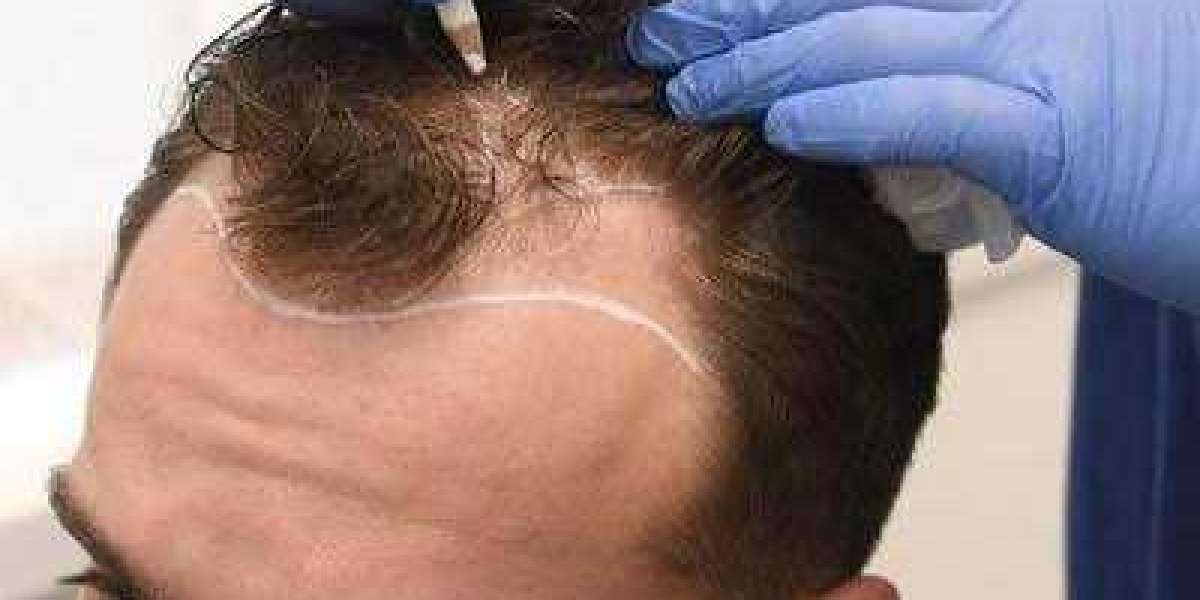

Hair restoration is a personalized process that requires careful consideration of facial proportions, hairline shape, existing hair density, and individual aesthetic goals. A well-planned hair transplant aims to create a natural-looking appearance by considering how the hairline complements the forehead, temples, and overall facial structure. Choosing hair transplant in dubai allows individuals to explore hair restoration options designed around their unique characteristics and expectations.
At Beaute Concept clinic dubai, hair restoration planning focuses on understanding individual concerns and considering the relationship between facial features and hair distribution. Every patient has different hair characteristics, patterns of hair loss, and expectations, making personalized assessment an important part of treatment planning.
Understanding the Connection Between Facial Features and Hair Restoration
Facial features play an important role in determining an appropriate hairline design. The forehead's height, the shape of the temples, facial symmetry, and existing hair growth can all influence the overall appearance of a restored hairline.
A hairline that suits one person may not be appropriate for another. For this reason, restoration planning should consider the individual's natural proportions instead of relying on a standard design. The objective is to achieve a balanced appearance that remains suitable for the person's facial structure and age.
At Beaute Concept clinic dubai, patients can discuss their hair restoration goals and explore how personalized planning may support a natural-looking result.
The Importance of a Personalized Hairline Design
Hairline design is one of the most important considerations in hair transplantation. A carefully planned hairline should account for natural irregularities, the direction of existing hair growth, and the transition between the forehead and scalp.
An excessively low or sharply defined hairline may appear unnatural, particularly as surrounding hair changes over time. A more conservative design may help maintain facial balance while allowing for future changes in hair density.
Considering Forehead Proportions
The height and shape of the forehead can influence where the hairline should begin. The design should complement the patient's facial proportions while taking existing hair loss and long-term expectations into account.
Evaluating Temple Shape
The temples contribute to the overall framing of the face. Their shape, recession pattern, and relationship with the frontal hairline should be considered when planning restoration.
Maintaining Natural Irregularities
Natural hairlines are rarely perfectly straight. Subtle variations in hair placement and density can help create a softer transition between the forehead and transplanted hair.
Assessing Hair Density and Donor Hair Availability
Successful hair restoration planning requires more than selecting a suitable hairline. The availability and quality of donor hair are also important factors.
The donor area, usually located at the back or sides of the scalp, must be assessed to determine whether enough suitable follicles are available. Hair thickness, density, scalp condition, and the pattern of hair loss can affect the treatment plan.
Patients should understand that donor hair is limited. A realistic plan prioritizes the areas where transplantation may provide the greatest benefit while preserving sufficient donor hair for potential future needs.
Those researching the best hair transplant in dubai should consider the importance of individualized assessment, transparent communication, and realistic expectations when evaluating treatment options.
Choosing a Suitable Hair Transplant Technique
Hair transplantation techniques differ in how follicles are extracted and implanted. The most appropriate method depends on the patient's scalp characteristics, donor hair availability, restoration goals, and clinical suitability.
Follicular Unit Extraction
Follicular Unit Extraction, commonly known as FUE, involves removing individual follicular units from the donor area before placing them in the recipient area. It may be suitable for patients seeking a method that does not require a long linear donor-area incision.
The procedure requires careful handling of follicles and attention to the angle, direction, and distribution of implanted hair.
Planning the Implantation Pattern
The implantation pattern affects how transplanted hair blends with existing growth. Follicles must be placed according to the intended hairline design and the natural direction of hair growth.
The distribution of grafts should also reflect the available donor supply. A well-considered approach balances coverage, density, and long-term planning rather than focusing only on the number of grafts transplanted.
Preparing for Hair Transplant Treatment
Preparation generally begins with a consultation and an assessment of the patient's medical history, scalp condition, hair loss pattern, and expectations. The clinician may discuss previous treatments, medications, family history, and any health factors that could affect suitability.
Patients should receive clear information about the proposed procedure, expected recovery, potential complications, and likely results. Hair transplantation is a medical procedure, and outcomes cannot be guaranteed.
Preoperative instructions should be followed carefully. Patients should disclose all medications and supplements and should not stop prescribed medication without appropriate medical advice.
Recovery and Hair Growth After Transplantation
Recovery varies according to the procedure and individual healing characteristics. Temporary redness, swelling, tenderness, and small scabs may occur during the initial recovery period. Following aftercare instructions helps protect the recipient and donor areas.
Transplanted hairs commonly shed during the early stages after treatment. This can be an expected part of the hair growth cycle and does not necessarily indicate that the transplant has failed. New growth generally develops gradually over subsequent months, with the final appearance taking time to assess.
Patients should attend recommended follow-up appointments and seek medical advice if they experience concerning symptoms, such as increasing pain, spreading redness, fever, or unusual discharge.
Evaluating the Best Hair Transplant Clinic in Dubai
Choosing a provider involves assessing clinical qualifications, experience, consultation standards, hygiene practices, and the quality of follow-up care. Patients should understand who will perform the procedure, how the treatment will be planned, and what support will be available during recovery.
When considering the best hair transplant clinic in dubai, individuals should look beyond promotional claims and focus on medical suitability, transparent information, and a realistic discussion of potential outcomes.
At Beaute Concept clinic dubai, patients can explore their restoration goals and discuss factors that may influence the design of an individualized treatment plan.
Long-Term Considerations for Hair Restoration
Hair transplantation does not stop the progression of hair loss in non-transplanted areas. Existing hair may continue to thin over time, which can affect the overall appearance after treatment.
Long-term planning should therefore consider the patient's age, pattern of hair loss, donor hair reserves, and possible future needs. A qualified clinician may discuss appropriate options for managing ongoing hair loss where medically suitable.
Maintaining realistic expectations is essential. The purpose of treatment is to improve hair coverage and appearance within the limits of available donor hair and individual healing characteristics.
Frequently Asked Questions
How does facial structure affect hair transplant planning?
Facial proportions, forehead height, temple shape, and existing hair growth influence hairline design. Considering these features helps guide a plan intended to complement the patient's natural appearance.
How long does it take to see hair transplant results?
Transplanted hair often sheds initially, followed by gradual regrowth over the following months. The final result may take approximately 9 to 12 months or longer, depending on individual healing and hair growth.
Is FUE suitable for every patient?
No. Suitability depends on donor hair availability, scalp condition, the pattern of hair loss, medical history, and treatment goals. A clinical assessment is necessary before selecting a technique.
Will transplanted hair continue to grow?
Transplanted follicles can produce hair after recovery, but results vary. Non-transplanted hair may continue to thin, so long-term planning and follow-up remain important.
What should I consider when choosing a hair transplant clinic?
Consider the clinician's qualifications, experience, treatment planning process, safety standards, transparent communication, and follow-up arrangements. Ensure that the expected results and potential risks are explained before making a decision.
Conclusion
Hair transplantation requires a personalized approach that considers facial features, hairline proportions, donor hair availability, and long-term restoration goals. Careful planning can help support natural-looking coverage while respecting individual characteristics and the limitations of available follicles.
At Beaute Concept clinic dubai, individuals can explore hair restoration options and discuss how treatment planning may be adapted to their needs. A thorough consultation, realistic expectations, and appropriate aftercare are essential components of an informed hair restoration journey.









