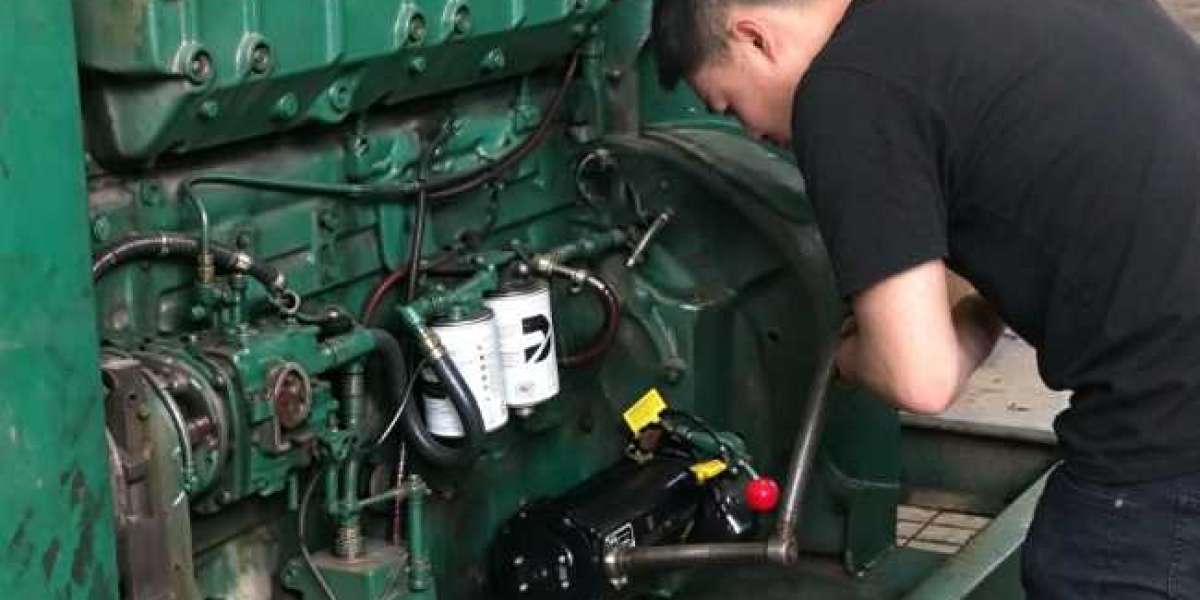

Offshore oil platforms, ocean-going fishing boats, underground mines, and emergency fire pump stations share a common problem: conventional starting systems can let operators down. Batteries deplete, air lines leak, and in explosive atmospheres an electrical spark is a serious hazard. A mechanical spring starter offers a different answer, and its operation is surprisingly straightforward. The procedure is explained in more detail in Cqstart’s guide on how to operate a spring starter.
Why mechanical matters
A spring starter needs no cables, batteries, or air tanks. Human effort turns a handle to compress a high-stress Belleville spring group. When the operator pushes or pulls the trip lever, the stored energy is released and the drive gear engages the engine’s flywheel ring gear. Because the system is purely mechanical, it produces no electrical spark, which suits explosion-proof environments.
Operating in the field
The routine is the same wherever you are. Inspect the starter, insert the handle, wind until the indicator shows full, remove the handle, check that everyone is clear, and trip the lever. In cold climates or on large engines, opening the decompression valve before triggering the start can reduce cylinder resistance and ease the load on the starter.
What the starter does not replace
It is worth remembering that the starter only provides cranking power. Whether an engine runs without any other power source still depends on its fuel system, control system, and overall configuration. Operators should keep fuel lines clear and fuel valves open before every attempt.
Durability in harsh conditions
Water resistance, dust protection, and temperature tolerance help the equipment perform in demanding climates, and a well-built spring group is not prone to energy loss during long static storage. Maintenance needs are low, which is an advantage at remote sites where servicing is difficult.
Choosing the right size
Select a starter whose torque suits the engine displacement and ambient temperature. When in doubt, send the engine model, displacement, mounting interface, and application details to the supplier for a recommendation.
In emergencies, simplicity saves time. A starter that works the same way every time gives crews confidence when it matters most.