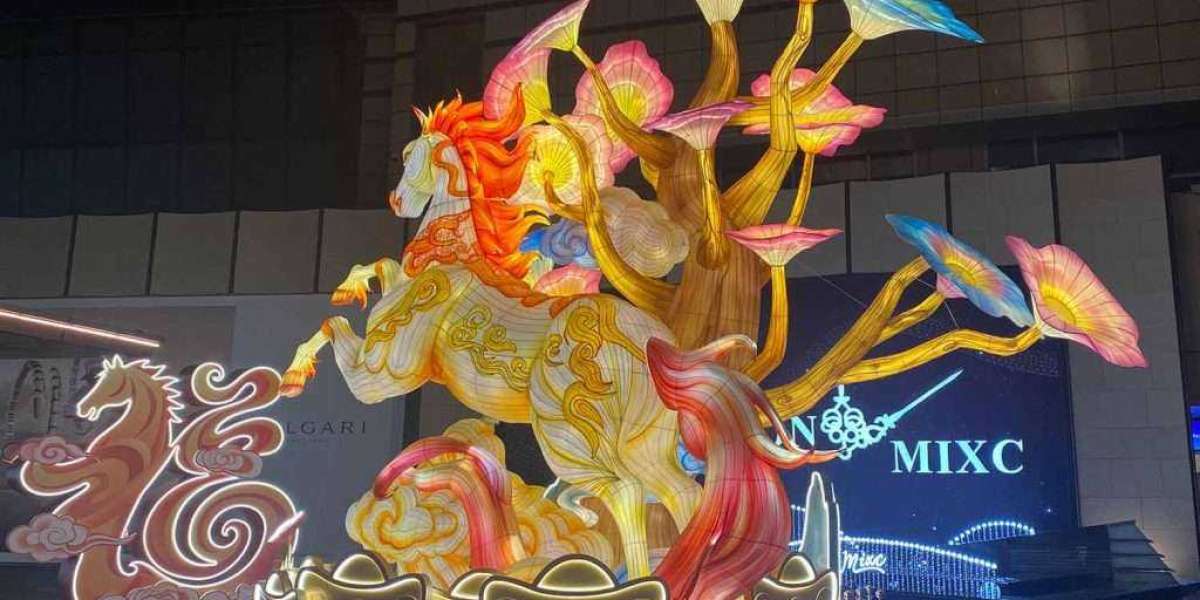

A large-scale lantern festival can transform a shopping mall, theme park, city plaza, or cultural tourism destination into a major nighttime attraction. However, successful projects require much more than producing attractive lantern sculptures. Site conditions, visitor capacity, installation logistics, lighting systems, and production schedules all influence the final result.
For commercial destination operators, the challenge is to create a visually impressive experience while ensuring that the entire installation is practical to manufacture, transport, install, and operate.
Here are seven important considerations when planning a large-scale lantern festival.
1. Define the Festival Theme and Commercial Objectives
Before selecting lantern designs, establish what the festival should achieve.
Some projects aim to increase evening visitor traffic, while others support seasonal campaigns, cultural tourism, or destination branding.
The theme should reflect both the location and the intended visitor experience.
Possible directions include:
Cultural heritage: Traditional Chinese architecture, dragons, historical scenes, and cultural symbols.
Seasonal celebrations: Chinese New Year, Mid-Autumn Festival, Christmas, and other seasonal events.
Nature and wildlife: Oversized animal lanterns, illuminated flowers, and botanical landscapes.
Fantasy environments: Mythical creatures, immersive pathways, and imaginative illuminated structures.
A consistent theme helps coordinate lantern designs, decorative structures, lighting effects, and promotional materials throughout the venue.
2. Assess the Site and Plan Visitor Circulation
Site assessment should take place before finalizing the lantern layout.
A large sculpture may look impressive in a rendering but become difficult to install or view if the actual space has limited access, uneven ground, overhead restrictions, or insufficient clearance.
Important site considerations include:
Total available display area
Ground conditions and installation surfaces
Ceiling height or overhead clearance
Access routes for transporting large components
Available electrical connections
Emergency exits and pedestrian circulation
The festival layout should also establish clear visitor routes.
For example, a central plaza can accommodate the main lantern installation, while surrounding pathways connect smaller themed displays, interactive areas, and photography zones.
For large outdoor festivals, entrance and exit arrangements should account for visitor capacity and potential congestion around popular installations.
3. Divide the Festival into Distinct Display Zones
A large lantern festival should feel like a connected experience rather than a collection of unrelated sculptures.
Dividing the venue into themed zones makes the overall layout easier to organize and helps distribute visitor traffic.
A practical layout might include:
Entrance Landmark
An illuminated gateway or oversized lantern sculpture establishes the festival identity.
Main Display Area
Large-scale dragons, mythical creatures, or signature installations serve as the primary attraction.
Themed Lantern Pathways
Smaller animal groups, flowers, architectural lanterns, and decorative structures create visual continuity between areas.
Interactive Photo Zones
Dedicated spaces allow visitors to photograph distinctive lantern installations without blocking the main pedestrian routes.
Supporting Commercial Areas
Food, merchandise, and event activity areas can be integrated into the wider visitor experience where appropriate.
Each zone should have a clear visual purpose while maintaining consistency in color, lighting, and design style.
4. Select Lantern Sizes and Structures Based on Viewing Conditions
Large-scale lantern festivals often combine installations of different dimensions.
Oversized sculptures attract attention from a distance, while medium and small lantern groups provide closer visual details.
However, selecting dimensions requires more than considering visual impact.
Manufacturers and project planners should evaluate:
Viewing distance and visitor perspective
Sculpture height and overall footprint
Internal steel framework and support requirements
Wind exposure for outdoor installations
Fabric tension and surface finishing
Modular construction for transportation
For example, a large dragon lantern positioned in an open plaza may need a different structural configuration from a suspended lantern installation inside a shopping mall.
Full-scale 3D renderings and site-specific drawings help buyers confirm proportions, installation positions, and structural requirements before production begins.
5. Plan Lighting and Electrical Systems as Part of the Design
Lighting determines how lantern sculptures appear after dark and how different display zones connect visually.
A successful lighting plan should establish a hierarchy between major attractions and supporting decorations.
Large centerpiece sculptures may use more prominent illumination, while surrounding lantern groups can use softer lighting to create depth.
Before manufacturing, confirm:
LED type and lighting distribution
Color consistency across different lantern groups
Power requirements for individual installations
Cable routing and electrical connection points
Waterproofing requirements for outdoor equipment
Access for inspection and maintenance
For large festivals, electrical planning should consider the combined load of all installations rather than treating each lantern as an independent unit.
Testing lighting effects before shipment can also help identify uneven brightness, visible hotspots, and connection problems.
6. Coordinate Manufacturing, Shipping, and Installation Schedules
Production and logistics are among the most important factors in international lantern festival projects.
Large installations may require multiple manufacturing stages, including 3D design, steel framework fabrication, fabric shaping, painting, LED installation, and quality inspection.
A typical project timeline may include:
| Stage | Main Activities |
|---|---|
| Concept development | Theme selection, site assessment, and initial layout |
| Design approval | 3D renderings, dimensions, and technical drawings |
| Manufacturing | Framework fabrication, shaping, lighting, and finishing |
| Quality inspection | Appearance checks, electrical testing, and component verification |
| Export preparation | Modular packing, labeling, and shipping coordination |
| On-site installation | Assembly, electrical connections, and final testing |
For international projects, transportation dimensions and packing methods should be considered during the design stage.
Large lantern sculptures may need to be divided into transportable sections. Clear component labels, assembly drawings, and connection instructions help reduce confusion during overseas installation.
Production schedules should also include time for shipping, customs clearance, site preparation, and installation testing.
7. Prepare for Maintenance and Daily Festival Operations
A lantern festival does not end when installation is complete. Commercial operators must also plan for daily inspections and maintenance throughout the event.
Outdoor installations may be exposed to rain, wind, temperature changes, and dust. Electrical connections, structural supports, and lighting components therefore need regular checks.
A practical maintenance plan should cover:
Daily visual inspections of lantern structures
LED and electrical connection checks
Inspection of exposed cables and waterproof connections
Repair procedures for damaged fabric or decorative surfaces
Access arrangements for maintenance teams
Replacement parts for essential lighting components
For longer festivals, maintenance access should be considered during the original design rather than added after installation.
Conclusion
Planning a large-scale lantern festival for a commercial destination requires coordination between creative design, site planning, manufacturing, logistics, installation, and ongoing maintenance.
By establishing a clear theme, organizing visitor zones, selecting appropriate lantern structures, and preparing production and installation schedules early, commercial operators can reduce project risks and create a more engaging nighttime attraction.
Working with an experienced custom lantern manufacturer that understands both fabrication and overseas project requirements can help turn a large-scale festival concept into a practical, coordinated installation.









