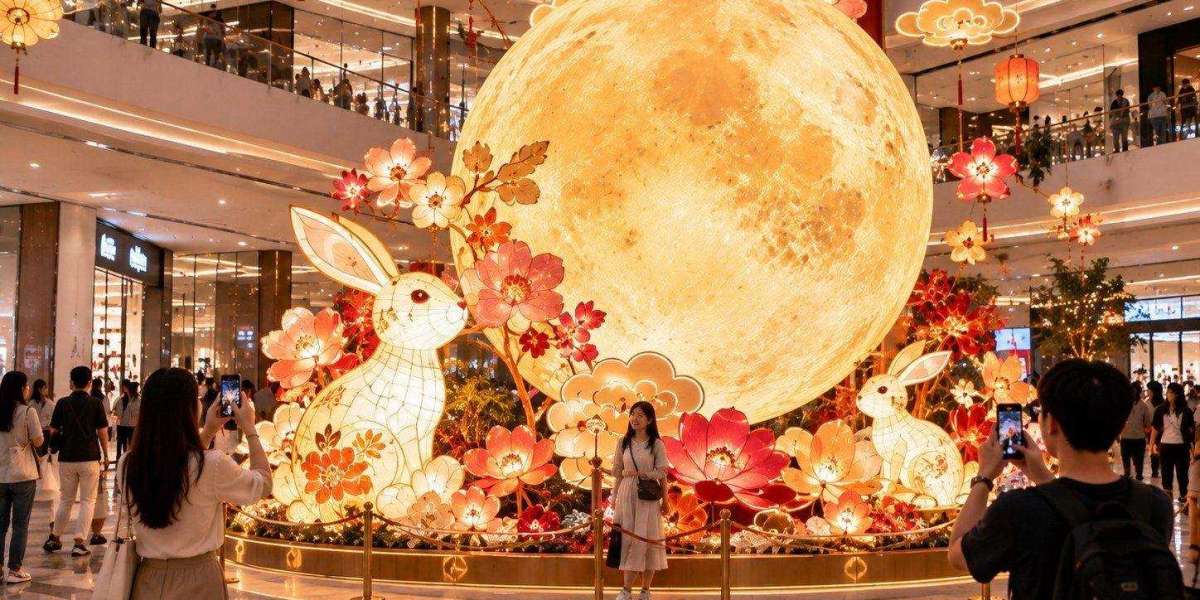

Giant lantern sculptures can become the main attraction of a festival or commercial display, but filling an entire venue with oversized installations does not necessarily create a better visitor experience. Without smaller decorative elements to connect different areas, the layout may feel visually unbalanced, while large structures can compete for attention rather than create a coherent theme.
For theme parks, shopping malls, cultural tourism destinations, and city festivals, the challenge is to balance visual impact with consistency, visitor circulation, and practical installation requirements. A well-planned lantern display combines landmark installations that attract attention with smaller decorative pieces that guide visitors through the entire space.
1. Assign a Clear Role to Each Lantern Display
Before deciding on lantern sizes, define what each installation should achieve.
Giant landmark lanterns are designed to create strong visual impact. They can serve as entrance features, central attractions, photo spots, or recognizable symbols of the event. Their size and distinctive shapes make them visible from a distance.
Smaller decorative displays serve a different purpose. They help fill visual gaps, connect themed areas, decorate pathways, and maintain the atmosphere between major attractions.
A practical display hierarchy may include:
Landmark installations: Oversized dragons, castles, giant animals, or themed architectural structures.
Secondary displays: Medium-sized lantern groups that reinforce the main theme and create visual connections.
Decorative elements: Smaller flowers, lantern clusters, animals, or ground-level ornaments that add detail along visitor routes.
Each category should have a defined function rather than simply adding more lanterns to the venue.
2. Match Lantern Scale to Viewing Distance
A giant lantern that looks impressive from an open plaza may overwhelm visitors in a narrow walkway. Similarly, small decorative pieces may disappear when placed in a large outdoor area.
The viewing distance should influence the size and level of detail of each installation.
For example:
Long-distance viewing: Use large silhouettes and recognizable shapes that remain visible across open spaces.
Medium-distance viewing: Combine medium-sized sculptures with supporting decorative groups to create a more complete scene.
Close-up viewing: Use smaller lanterns with detailed shapes, textures, and carefully arranged lighting.
This approach is particularly important when designing displays for shopping malls and theme parks, where visitors experience installations from different heights and distances.
The goal is not to make every lantern equally noticeable, but to ensure that each installation works at its intended viewing distance.
3. Create a Visual Hierarchy Without Isolating Landmark Displays
Giant lanterns should attract attention, but they should not look disconnected from the surrounding decorations.
One common design problem is placing a large landmark sculpture in an open area without smaller elements to establish a visual relationship with nearby spaces. The result can look like a standalone product rather than part of a complete festival environment.
A better approach is to use supporting displays to connect the landmark with its surroundings.
For example, a giant illuminated dragon can be accompanied by smaller cloud lanterns, decorative flowers, or themed ground displays. These elements extend the visual composition without competing with the main sculpture.
Color consistency, repeated motifs, and coordinated lighting can also help different-sized installations feel like part of the same design.
4. Use Smaller Displays to Guide Visitor Movement
Smaller lanterns are not merely decorative fillers. They can help organize the visitor experience.
In large festival venues, visitors need visual cues that encourage them to explore beyond the main attraction. Decorative lantern groups can create a natural sequence along pathways, mark entrances to themed zones, and draw attention toward less prominent areas.
For instance, a large zodiac lantern may serve as the central attraction, while smaller zodiac animals are arranged along the surrounding pathway. Visitors can move through the display as a connected experience instead of gathering around one installation.
However, decorative elements should not obstruct walking routes, emergency access, or maintenance areas. Their placement needs to be coordinated with the venue's circulation and operational plans.
5. Balance Visual Density Across Different Zones
A common mistake in large-scale lantern projects is concentrating too many major installations in one area while leaving other zones visually empty.
This creates an uneven visitor experience and can lead to crowding around a few popular attractions.
Instead, divide the venue into zones with different visual functions:
Entrance zone: One prominent landmark installation to establish the festival theme.
Central attraction zone: The largest or most complex lantern sculpture, supported by medium-sized displays.
Pathway zones: Smaller decorative groups that maintain visual continuity.
Rest and photo areas: Carefully arranged medium and small installations that create attractive backgrounds without overwhelming the space.
Not every zone needs a giant sculpture. In some locations, a coordinated group of smaller lanterns can create a more suitable visual effect.
6. Consider Manufacturing and Installation Requirements
The balance between giant and small lanterns also affects project production, transportation, and installation.
Giant landmark lanterns may require reinforced steel frames, segmented structures, special packaging, and on-site assembly. Their dimensions and weight can affect container loading, access routes, lifting equipment, and installation schedules.
Smaller decorative lanterns are generally easier to transport and position, but large quantities still require consistent labeling, electrical connections, and installation planning.
Before production begins, the project team should confirm:
The dimensions and installation positions of each lantern group.
Whether oversized structures need to be divided into transportable sections.
Electrical connection points and cable routing.
Site access, lifting requirements, and available installation space.
How smaller decorations will be positioned around major structures.
A coordinated production plan helps prevent situations where the landmark installation is ready but the supporting decorations, electrical connections, or site preparations are incomplete.
7. Evaluate the Complete Display Before Final Production
Reviewing individual lantern designs is not enough to determine whether a display will work as a complete environment.
A giant sculpture may look impressive in a product rendering, but its visual relationship with surrounding decorations can only be evaluated through a broader layout.
Use a combination of site plans, 3D renderings, and display mockups to check:
Whether landmark installations are visible from key visitor viewpoints.
Whether smaller decorations create a natural transition between zones.
Whether the overall composition has areas that feel too crowded or empty.
Whether lighting levels allow major and supporting displays to remain visually distinct.
Full-scale prototypes may also be useful for complex landmark structures where proportions, lighting effects, and assembly details need further verification.
Conclusion
A successful lantern festival does not depend on the number of giant sculptures it contains. It depends on how different-sized installations work together to create a coherent visual experience.
Giant landmark lanterns establish the main attractions, while smaller decorative displays connect themed areas, guide visitor movement, and add detail to the overall environment. By considering viewing distance, visual hierarchy, site layout, manufacturing, and installation from the beginning, commercial destinations can create lantern displays that are impressive without becoming visually overcrowded.









