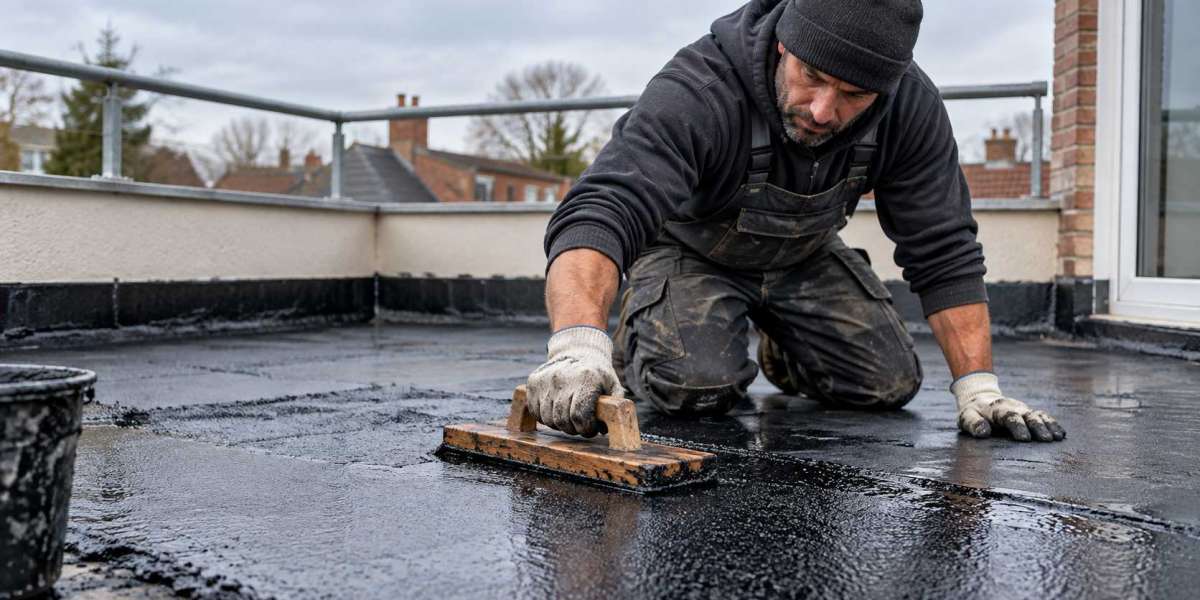

Potholes are among the most common problems affecting asphalt roads, driveways, and parking lots. They develop when moisture enters pavement cracks, weakens the underlying layers, and causes the surface to break apart under vehicle pressure. If left untreated, even a small pothole can expand and create serious problems for drivers, pedestrians, and property owners.
Professional asphalt pothole repair services help restore damaged pavement, improve surface safety, and prevent further deterioration. Choosing the right repair method can also extend the life of existing asphalt and reduce the need for expensive reconstruction.
What Causes Potholes in Asphalt Pavement?
Understanding why potholes form helps property owners identify problems early and select suitable repair solutions.
Several factors contribute to pothole development:
Water infiltration: Rainwater enters cracks and weakens the asphalt base, reducing pavement stability.
Heavy traffic: Repeated pressure from cars, trucks, and commercial vehicles can break down weakened pavement.
Temperature changes: Expansion and contraction can create cracks that allow moisture to penetrate the surface.
Poor drainage: Standing water accelerates pavement deterioration and increases the risk of potholes.
Aging asphalt: Older pavement may become brittle and lose its ability to withstand regular traffic.
Improper installation: Insufficient compaction or an unstable foundation can lead to premature pavement failure.
In many cases, potholes develop because several of these conditions occur together.
Signs Your Asphalt Surface Needs Pothole Repair
Not every pavement problem starts with a large hole. Recognizing early warning signs can help prevent more extensive damage.
Watch for these conditions:
Small holes or broken sections appearing in the asphalt.
Loose pavement material around damaged areas.
Cracks spreading around an existing pothole.
Water collecting inside depressions after rainfall.
Uneven surfaces that affect vehicle movement.
Repeated potholes appearing in the same location.
When these problems develop, a professional inspection can determine whether localized patching or deeper pavement repairs are necessary.
Different Asphalt Pothole Repair Methods
The appropriate repair method depends on pothole size, pavement condition, weather, and the strength of the underlying base.
1. Cold-Mix Asphalt Patching
Cold-mix asphalt provides a convenient solution for certain pothole repairs, particularly temporary or emergency maintenance. Contractors place the material into a prepared hole and compact it to create a usable surface.
This method can help restore access quickly, although its durability depends on preparation, material quality, traffic conditions, and weather.
2. Hot-Mix Asphalt Patching
Hot-mix asphalt offers a durable option for permanent pothole repairs when conditions support its use. Contractors remove loose material, prepare the damaged area, install hot asphalt, and compact it properly.
The finished patch creates a firm surface that can withstand regular vehicle traffic when installed correctly.
3. Full-Depth Pothole Repair
Some potholes extend through the asphalt and damage the underlying base. Filling only the visible opening may not solve the problem because the weakened foundation can cause the patch to fail.
Full-depth repair removes the damaged pavement and unstable base material before rebuilding the affected section. This method addresses deeper problems and helps reduce recurring damage.
4. Infrared Asphalt Repair
Infrared repair uses specialized heating equipment to soften existing asphalt around a damaged area. Contractors then blend the heated material with fresh asphalt and compact the repaired section.
This technique can create a seamless repair in suitable conditions, depending on the pavement's condition and the extent of the damage.
5. Asphalt Resurfacing
When potholes appear across a large area, individual patches may not provide the most practical solution. Resurfacing involves preparing the existing pavement and installing a new asphalt layer.
This option works best when the underlying foundation remains stable. Contractors should address structural failures before applying a new surface.
The Professional Pothole Repair Process
A successful pothole repair requires proper preparation, suitable materials, and careful finishing. Professional contractors generally follow a structured process.
Step 1: Inspect the Damaged Area
The contractor examines the pothole, surrounding cracks, pavement condition, and possible drainage problems. This inspection helps determine the depth and extent of the damage.
Step 2: Remove Loose Asphalt
Workers remove broken pavement and debris from the damaged section. Depending on the repair method, they may cut the area into a clean shape to create stable edges.
Step 3: Prepare the Foundation
If the base has weakened, contractors remove unstable material and restore proper support. This step helps prevent the repaired area from sinking or breaking apart again.
Step 4: Apply Asphalt Material
The selected asphalt mix is placed into the prepared area. Workers distribute the material evenly and ensure the repair fills the required depth.
Step 5: Compact the Surface
Proper compaction creates a dense repair and helps the new asphalt bond with the surrounding pavement.
Step 6: Complete a Final Inspection
The contractor checks the repaired area for surface consistency, compaction, and proper connection with the existing pavement.
Where Are Asphalt Pothole Repair Services Needed?
Potholes can develop anywhere asphalt pavement experiences traffic, moisture, and environmental stress. Repair services are useful for several types of properties.
Residential driveways: Repairs remove holes and uneven areas that affect vehicle access and property appearance.
Commercial parking lots: Pothole maintenance helps improve safety for customers, employees, and visitors.
Private roads: Timely repairs support smoother travel and reduce pavement deterioration.
Access roads: Maintaining these surfaces helps vehicles enter and leave commercial or industrial properties safely.
Public roadways: Pothole repairs help road maintenance teams address damaged sections and improve driving conditions.
Each location may require a different repair approach based on traffic volume and pavement construction.
Benefits of Timely Asphalt Pothole Repair
Delaying pothole repairs can allow water and traffic pressure to create additional pavement damage. Addressing the problem early offers several benefits.
Improved safety: Smooth pavement reduces hazards for vehicles, cyclists, and pedestrians.
Reduced vehicle damage: Proper repairs help protect tires, wheels, and suspension components.
Lower maintenance expenses: Early treatment can prevent small defects from developing into major pavement failures.
Better appearance: Repaired asphalt creates a cleaner and more professional-looking surface.
Extended pavement life: Suitable repairs help protect surrounding asphalt and preserve existing pavement.
Regular maintenance also makes it easier to identify other developing problems before they require extensive work.
How to Prevent Potholes from Returning
A successful repair should address both the visible damage and the conditions that caused it. Property owners can reduce future pothole problems through consistent pavement maintenance.
Inspect asphalt surfaces regularly for new cracks and depressions.
Seal suitable cracks before water enters the pavement.
Keep drainage systems clear to prevent standing water.
Repair damaged sections before they become larger.
Monitor areas exposed to heavy vehicle traffic.
Maintain pavement with suitable protective treatments.
Investigate recurring potholes for possible foundation or drainage problems.
Preventive maintenance helps preserve asphalt and reduces the likelihood of repeated repairs.
Choose Reliable Asphalt Pothole Repair Services
Potholes can affect pavement safety, appearance, and long-term performance. Selecting the right repair method depends on the damage depth, traffic conditions, drainage, and the strength of the underlying base. A professional assessment helps identify the actual cause and determine whether patching, full-depth repair, or resurfacing offers the best solution.
Restore Asphalt focuses on asphalt repair solutions designed to restore damaged pavement and improve surface durability. From potholes in residential driveways to damaged areas in roads and parking lots, choosing an appropriate repair approach helps create smoother and more dependable surfaces.
Taking care of potholes early can protect existing pavement, improve safety, and help avoid more costly repairs in the future.